



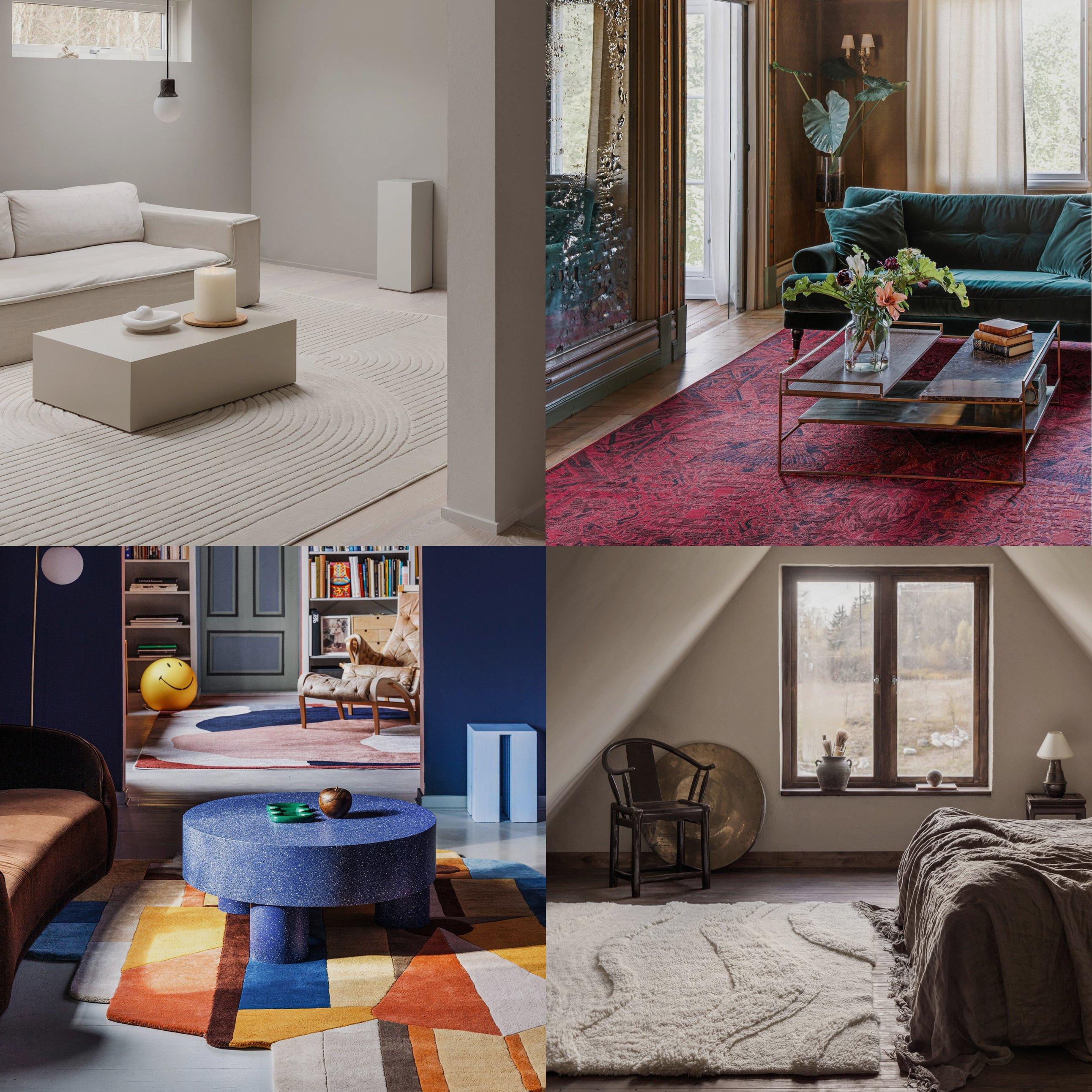
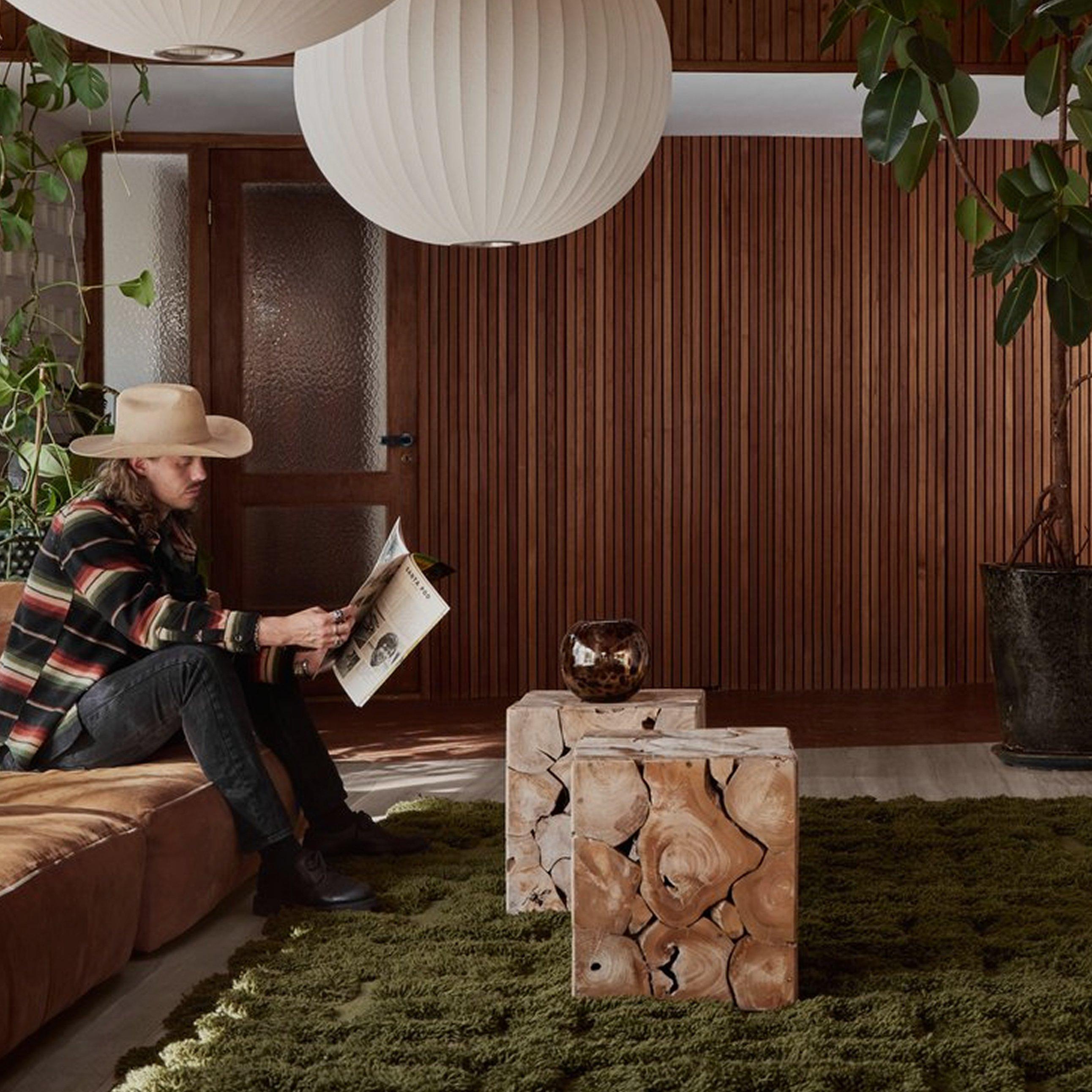

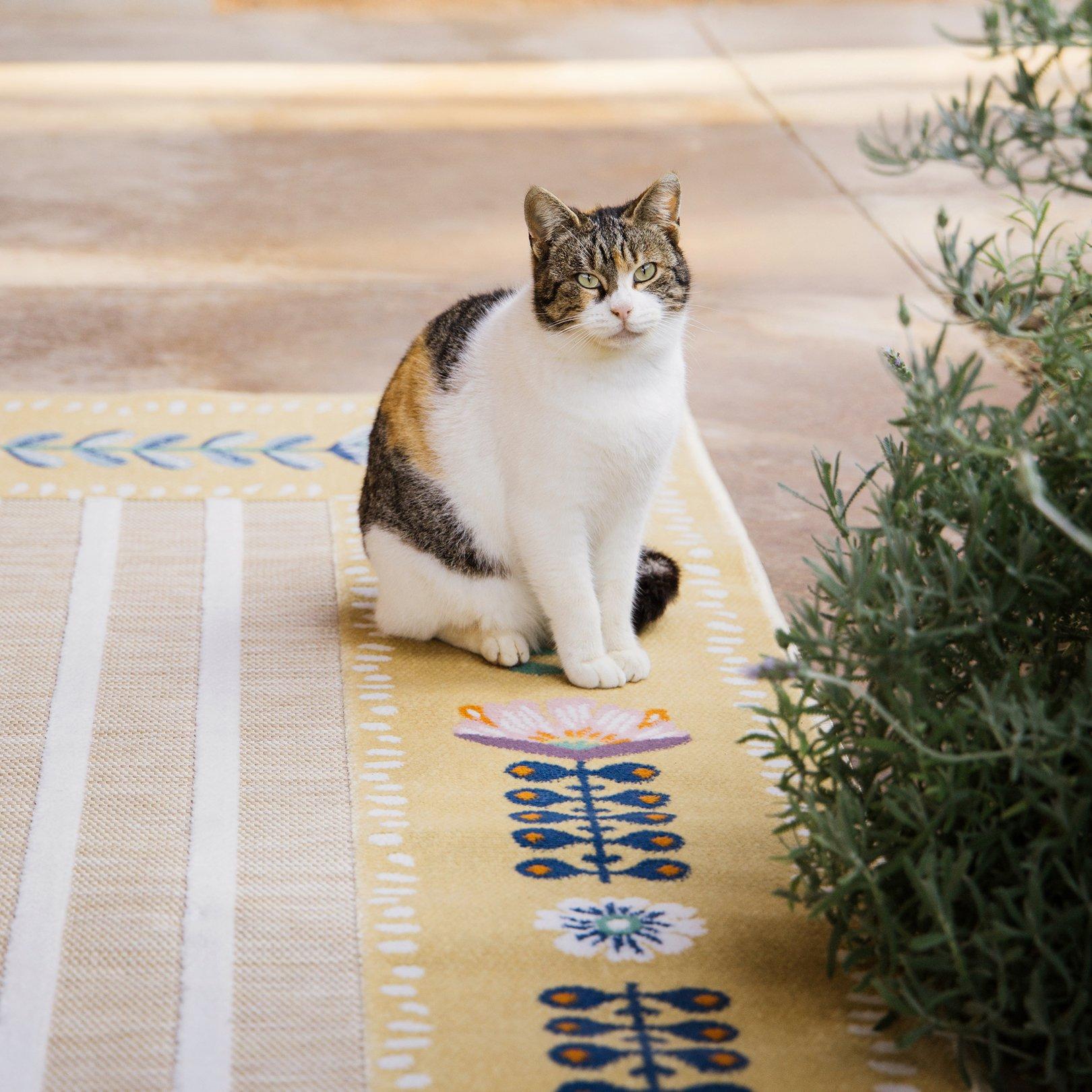
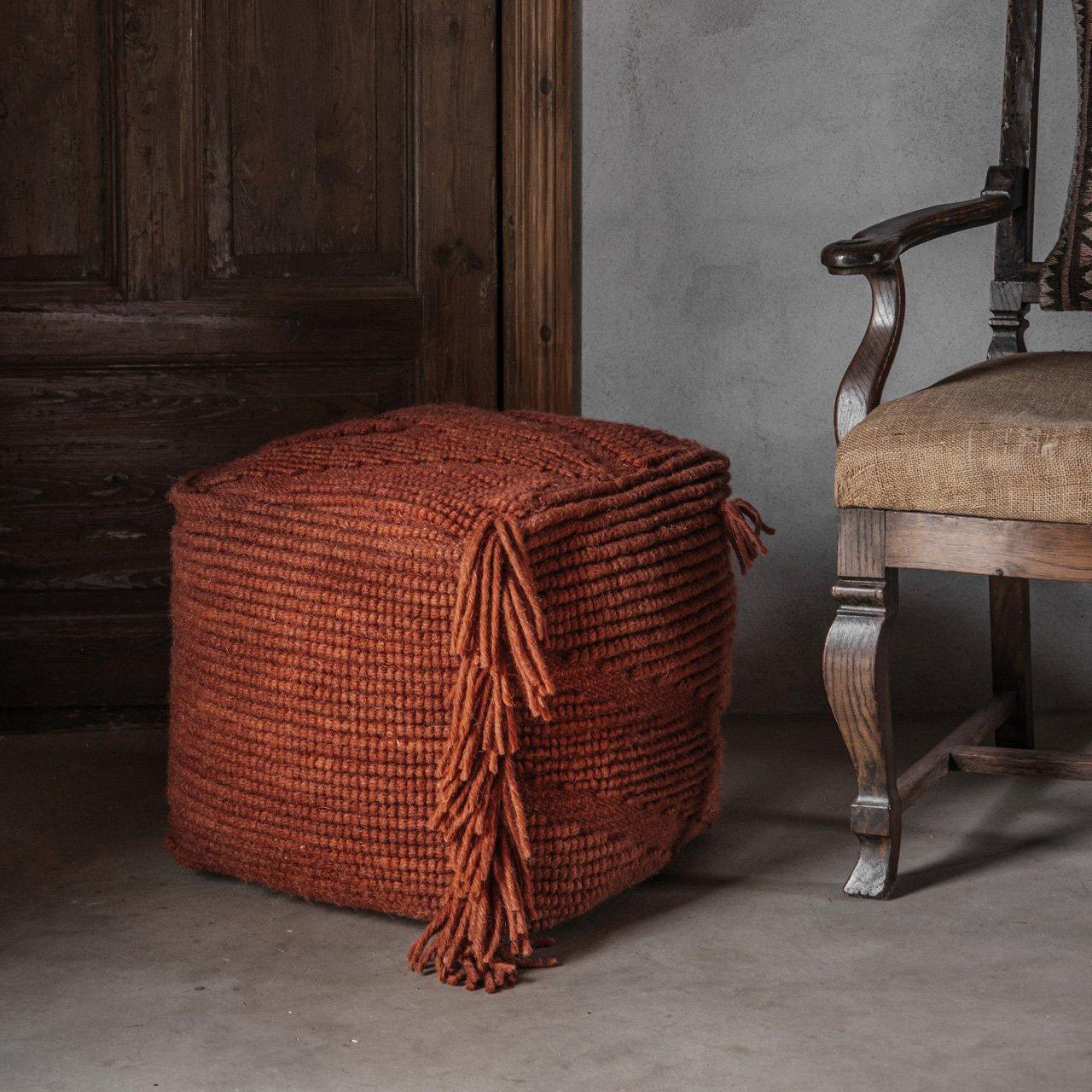
How to decorate with beige rugs
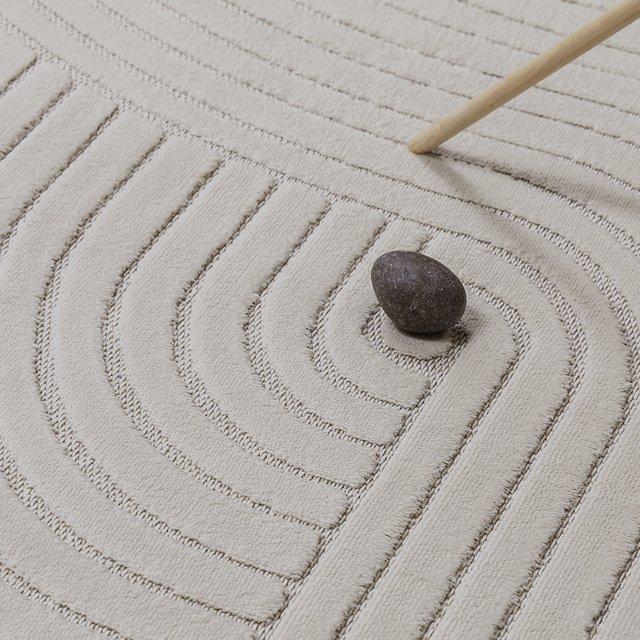
Decorating with beige rugs is a simple way to create a calm and balanced foundation in a room. The feeling of a space often begins underfoot, and beige rugs bring warmth, harmony, and effortless elegance without overpowering the interior. Their neutral tone allows furniture, textures, and colours to stand out while maintaining a soft and cohesive atmosphere.
How to choose the right shade of beige for your rug
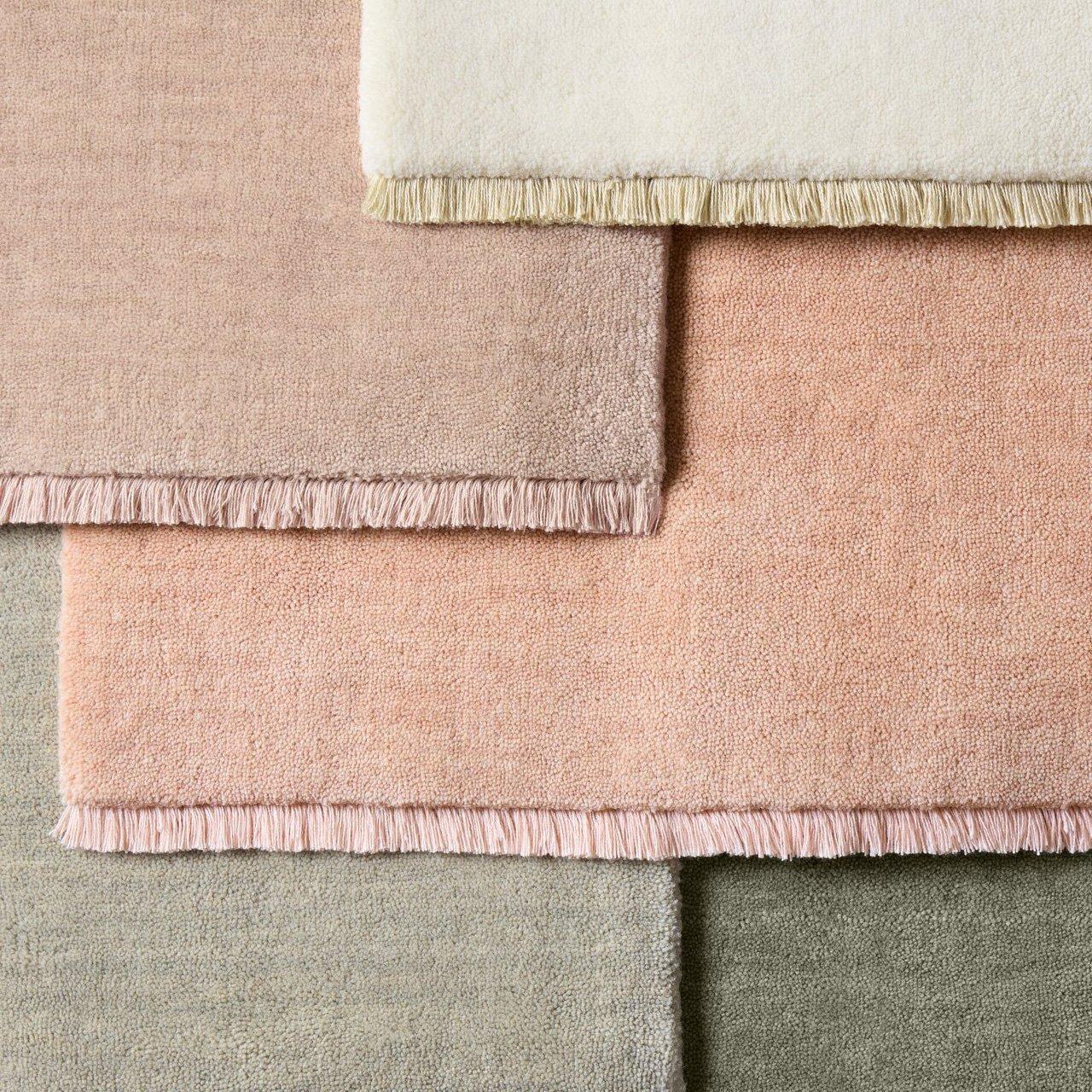
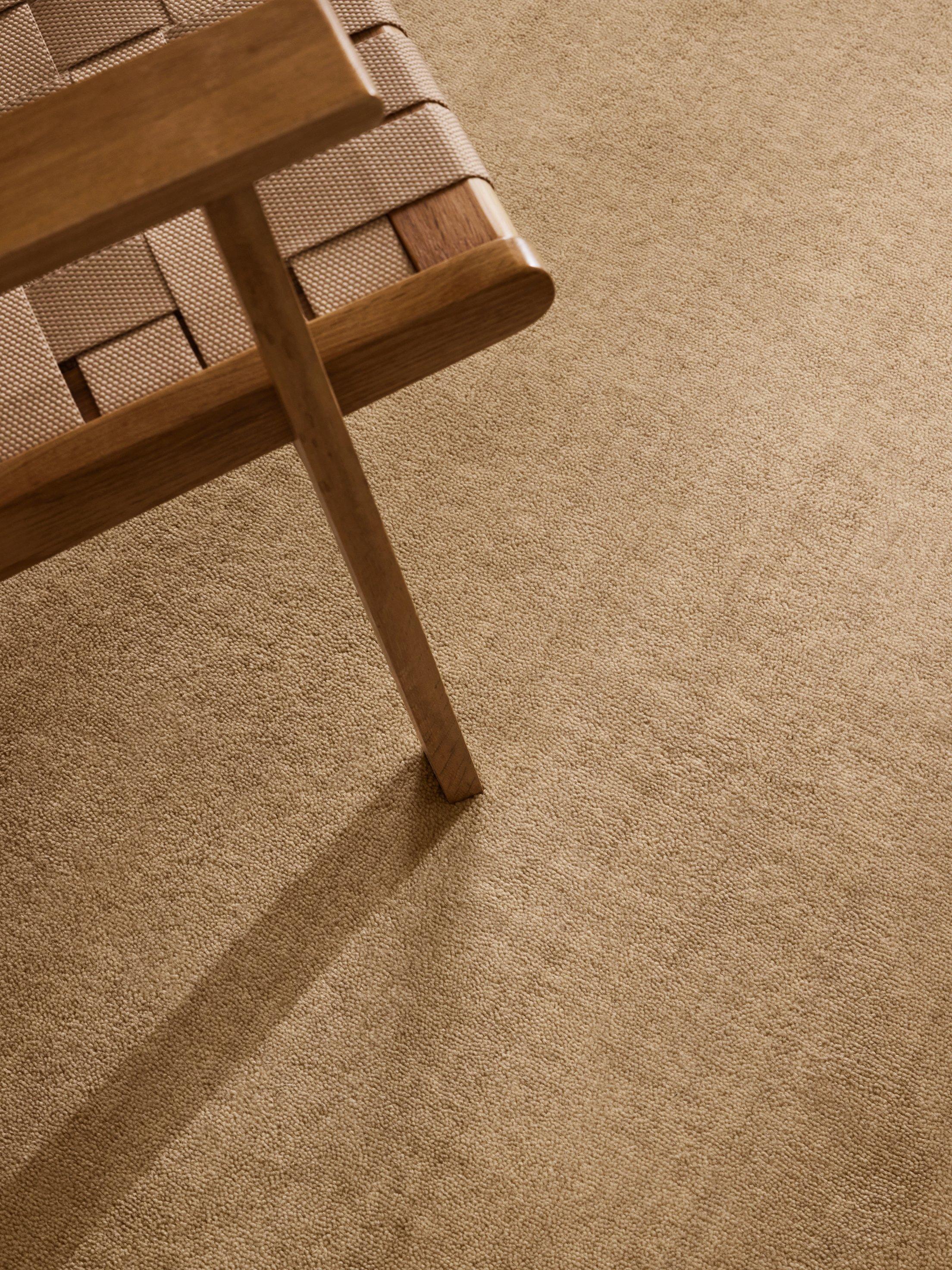
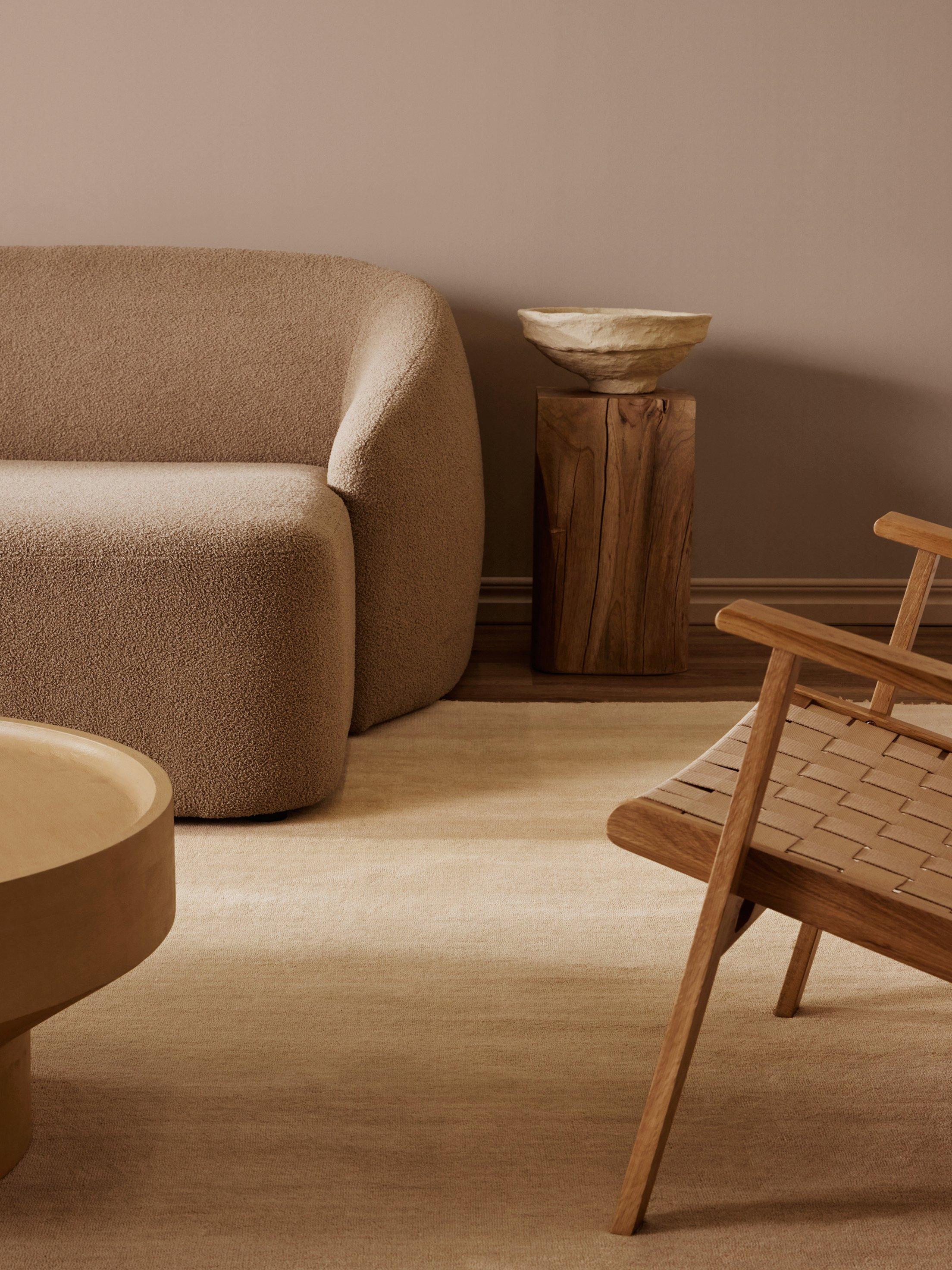
When decorating with beige rugs, choosing the right shade is key to creating a balanced and harmonious space. Beige can range from warm, sandy tones to cooler greige shades, and the best option depends on the lighting, colours, and atmosphere you want to achieve.
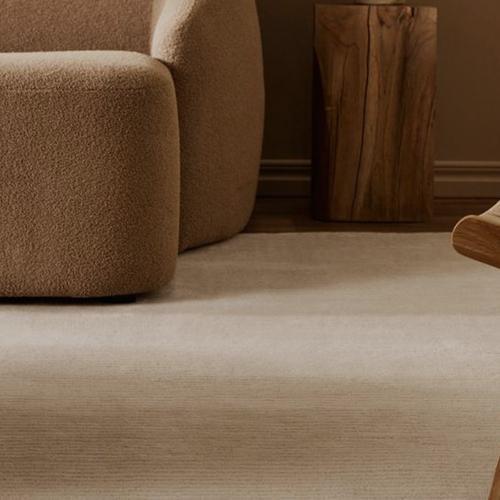
Warm beige rugs work beautifully in rooms with natural materials such as wood, linen, and soft lighting, helping create a cosy and inviting atmosphere. Cooler beige or greige tones often suit modern interiors with crisp whites, darker accents, or minimalist styling.
By paying attention to undertones and how the shade interacts with surrounding furniture, wall colours, and textiles, a beige rug becomes a natural part of the room rather than simply a neutral addition.
Quick guide to beige rug shades
- Warm beige: ideal for cosy spaces with wood furniture and warm lighting
- Cool beige or greige: works well in modern interiors with whites and darker contrasts
- Soft sand tones: perfect for relaxed, natural interiors
What colours go best with beige rugs?
Beige rugs pair easily with many colours, making them a flexible base for both soft neutral interiors and rooms with stronger contrast.
- White and ivory – create a light, airy, and harmonious feel.
- Sand, taupe, and light brown – add depth while maintaining a calm neutral palette.
- Muted greens (olive or sage) – bring a natural, relaxed atmosphere.
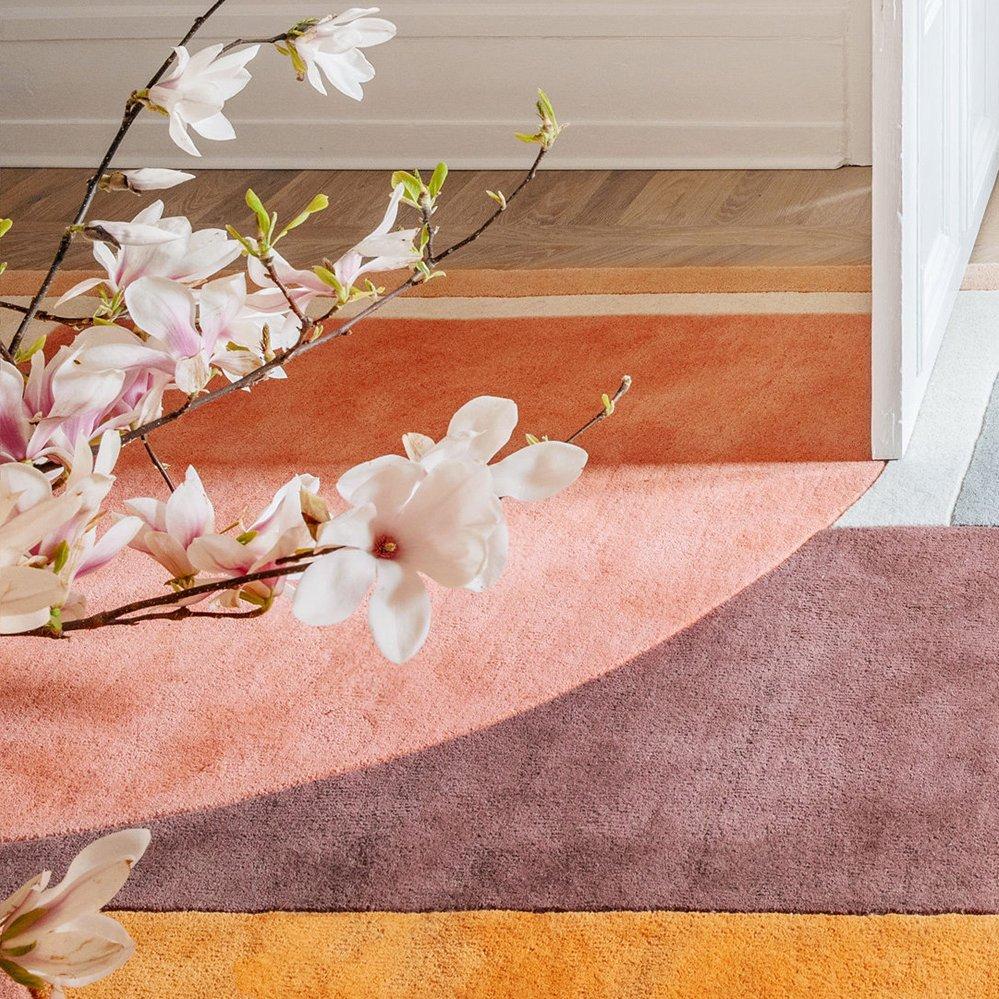
- Terracotta and warm clay tones – introduce warmth and richness.
- Charcoal, navy, or black – add contrast for a more defined, elegant look.
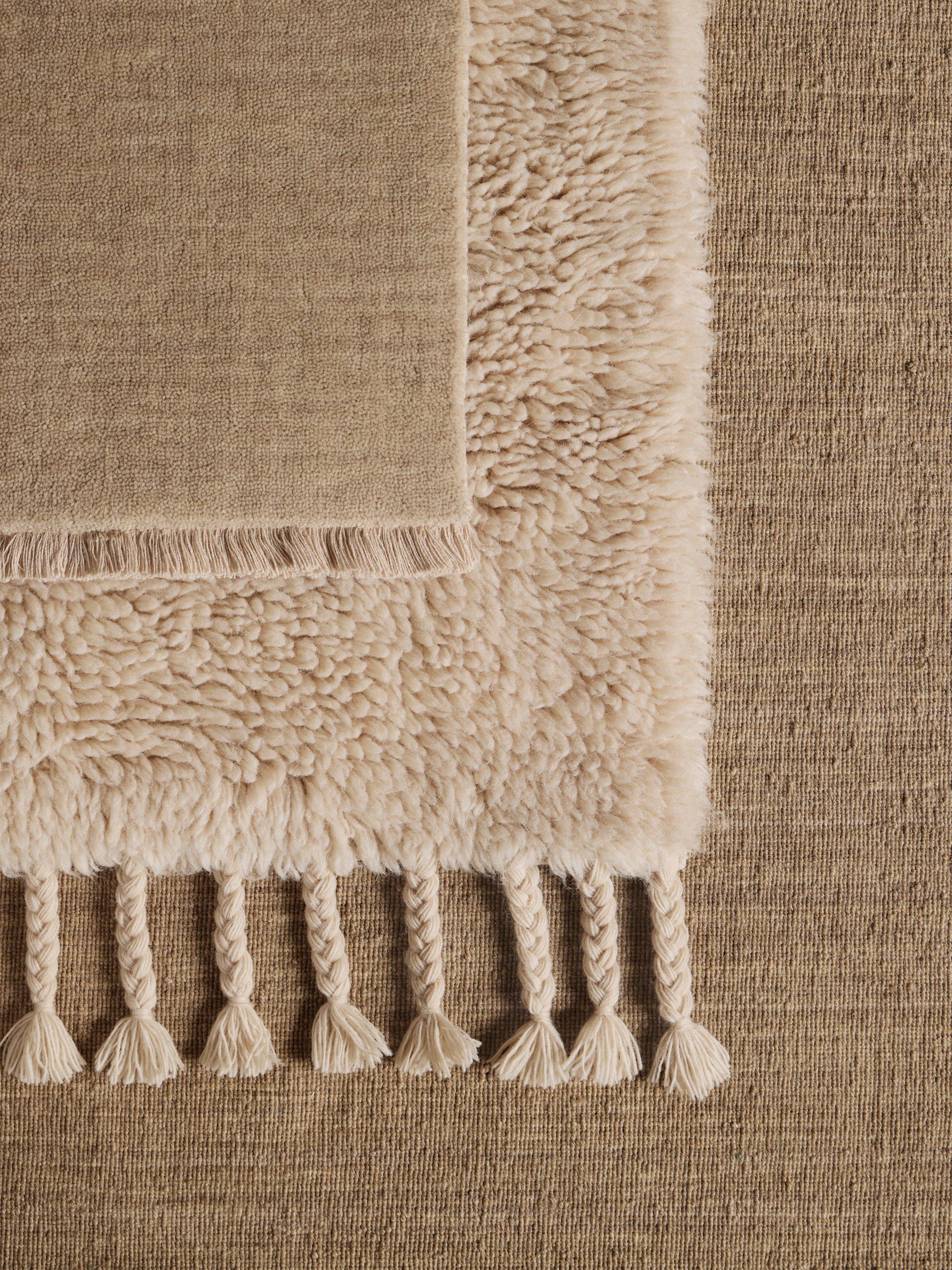
Should I choose a single coloured or patterned beige rug when decorating
When decorating with beige rugs, choosing between a single coloured and patterned design can shape the overall look of the space. The best option depends on your furniture, colour palette, and how the space is used.
Single coloured beige rugs
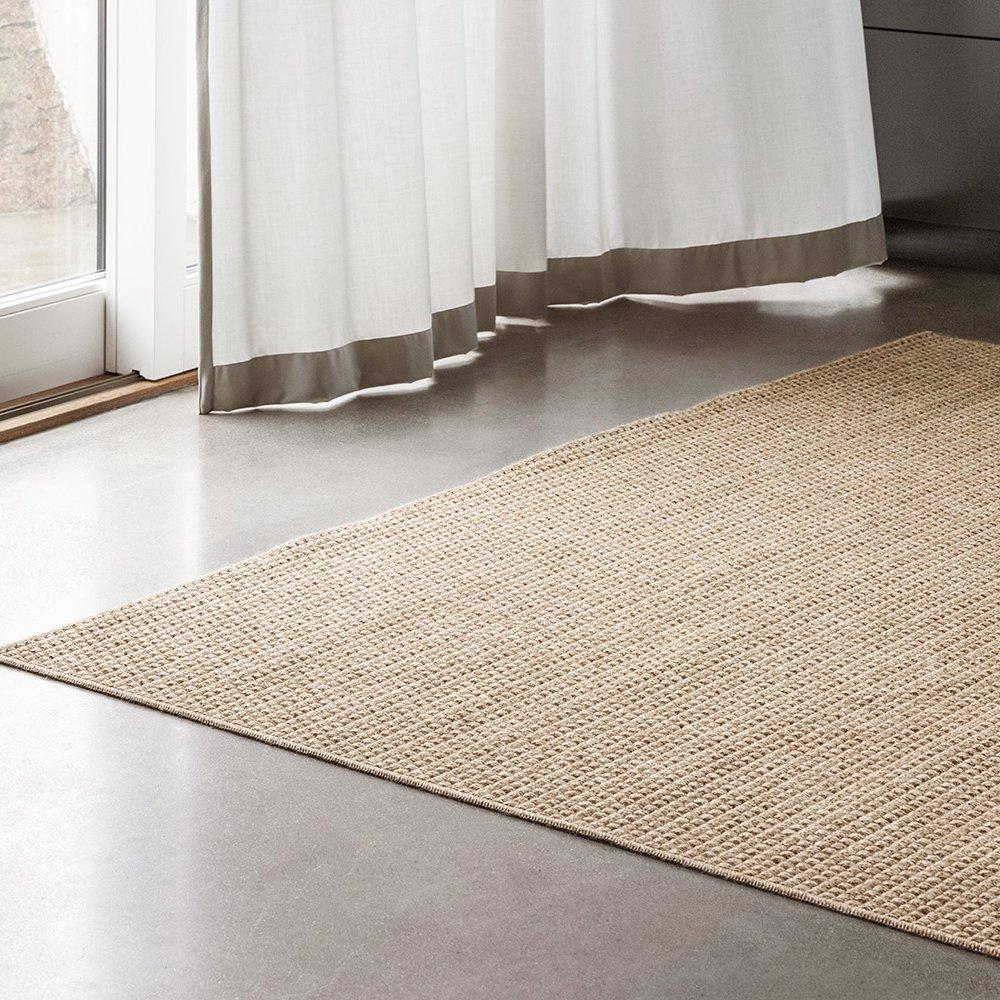
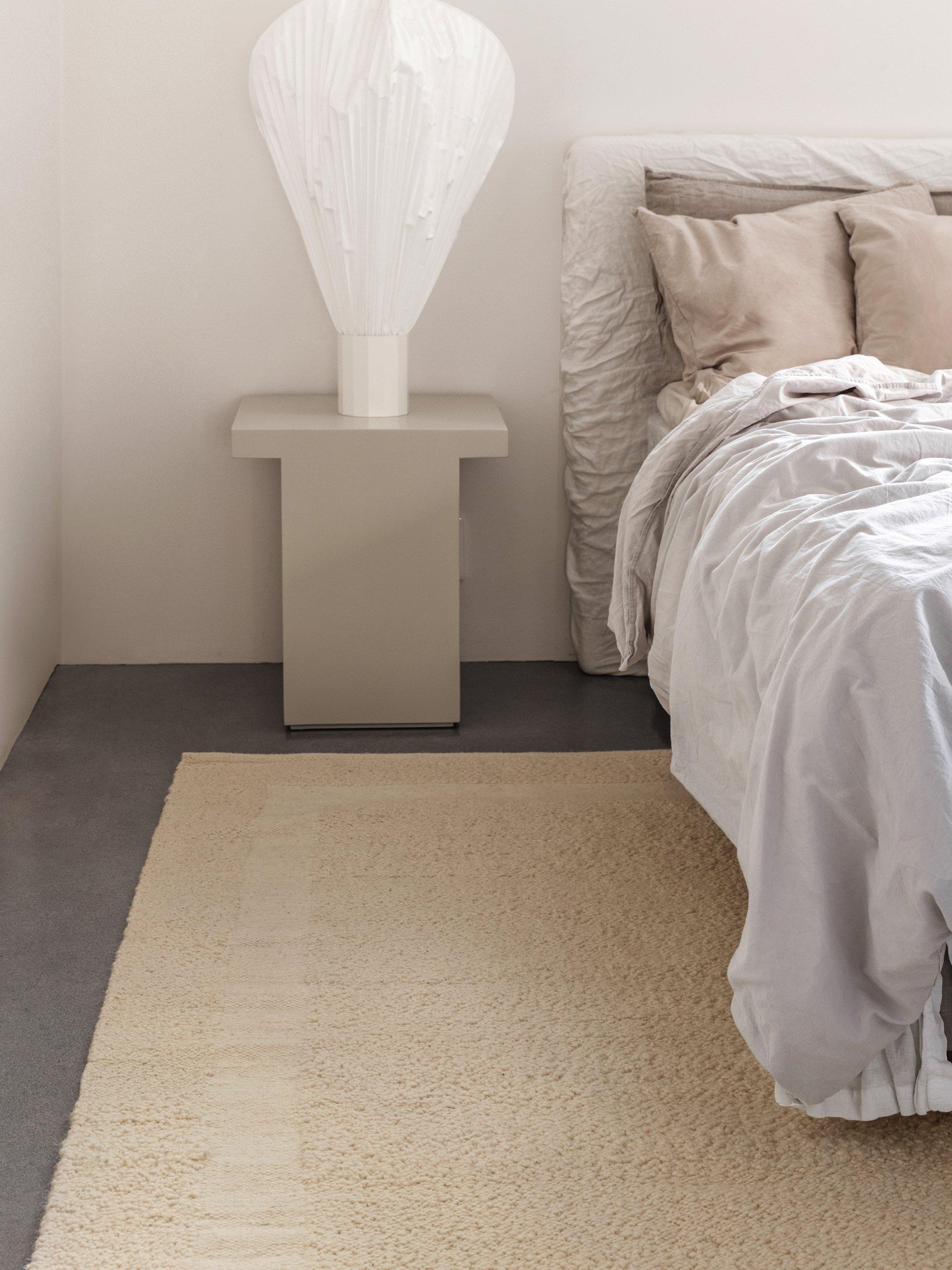
A single coloured beige rug creates a calm, minimal foundation and works especially well in rooms with statement furniture, bold colours, or layered textures. Its understated look allows other elements in the space to stand out while maintaining a balanced and harmonious atmosphere.
Patterned beige rugs
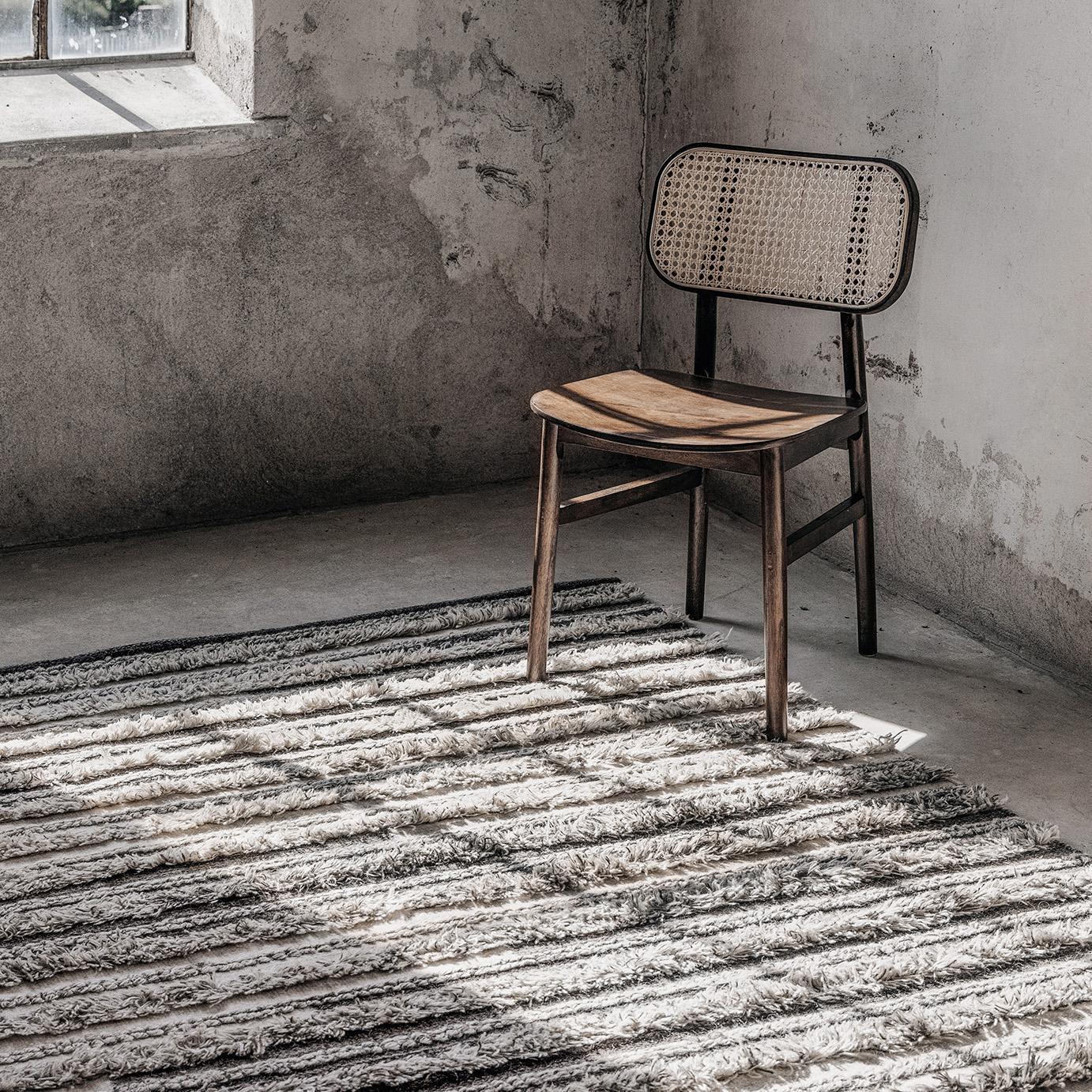
Patterned beige rugs add depth and visual interest while keeping the overall space soft and cohesive. They are also practical in high-traffic areas, as subtle patterns help disguise everyday wear. Considering the room’s size, furniture layout, and desired level of contrast can help you choose a rug that feels both functional and thoughtfully styled.
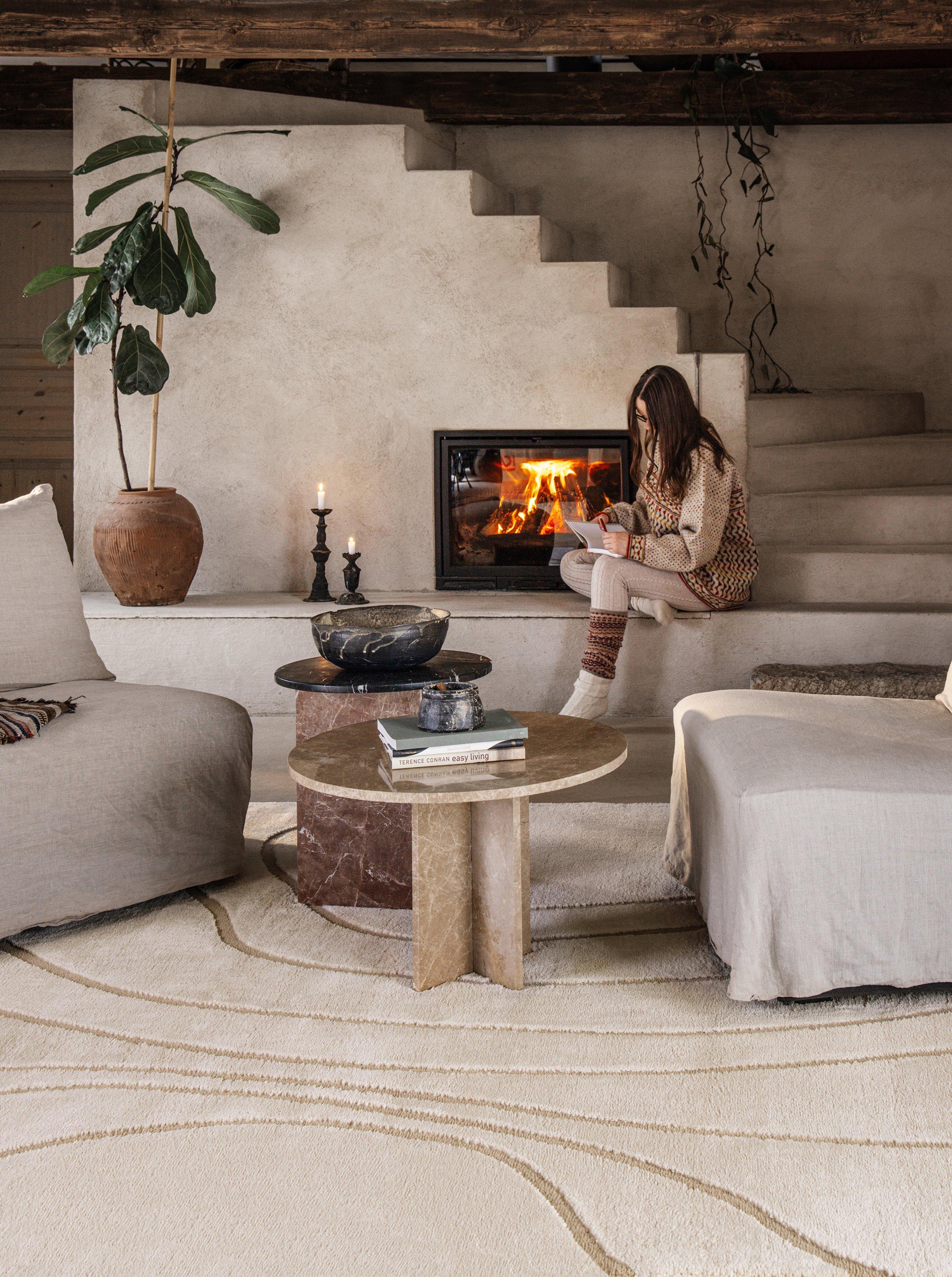
Beige rug ideas for every room
Beige rugs work in almost every room of the home. With the right styling, they can anchor living spaces, soften bedrooms, and bring balance to busy areas like dining rooms or hallways.
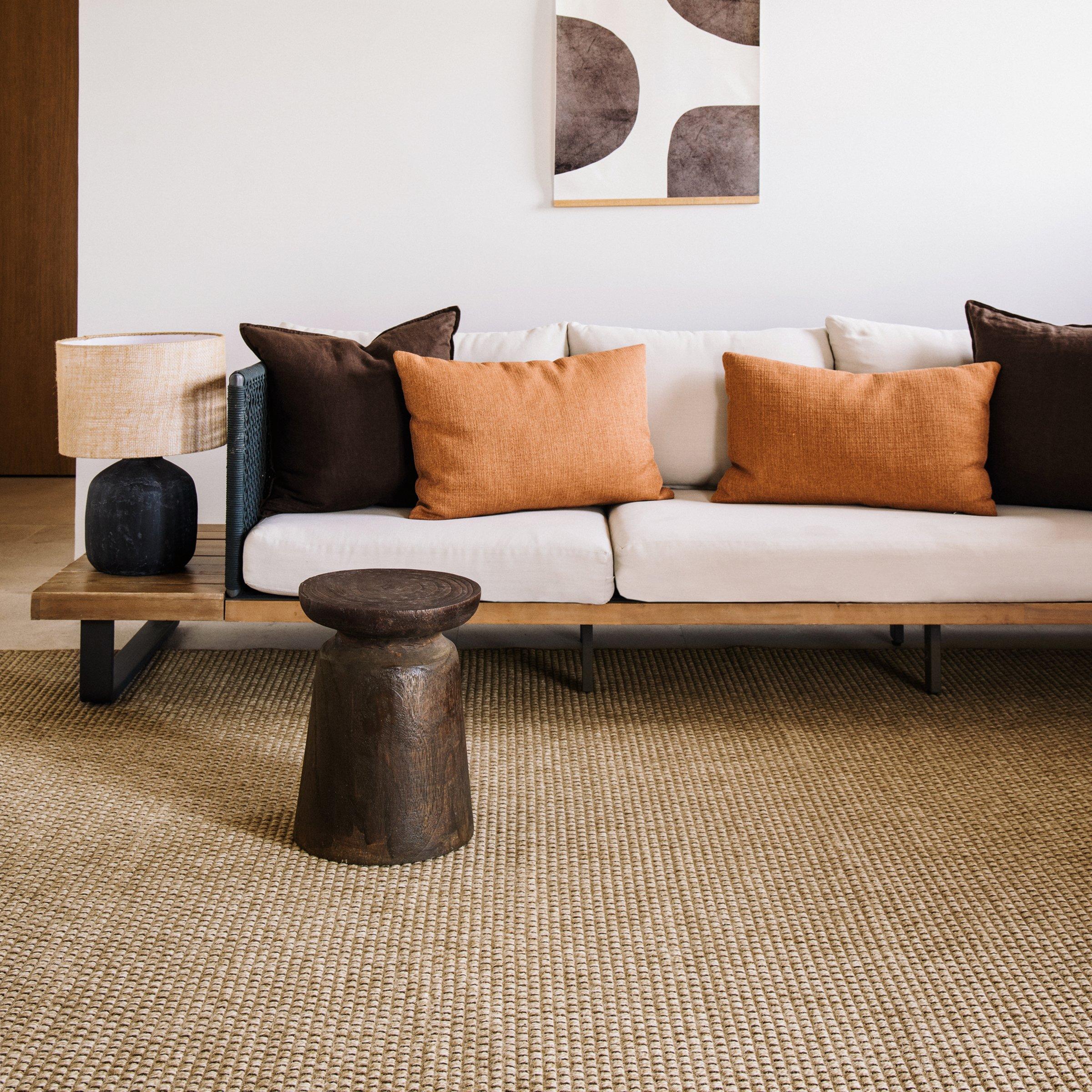
Living room
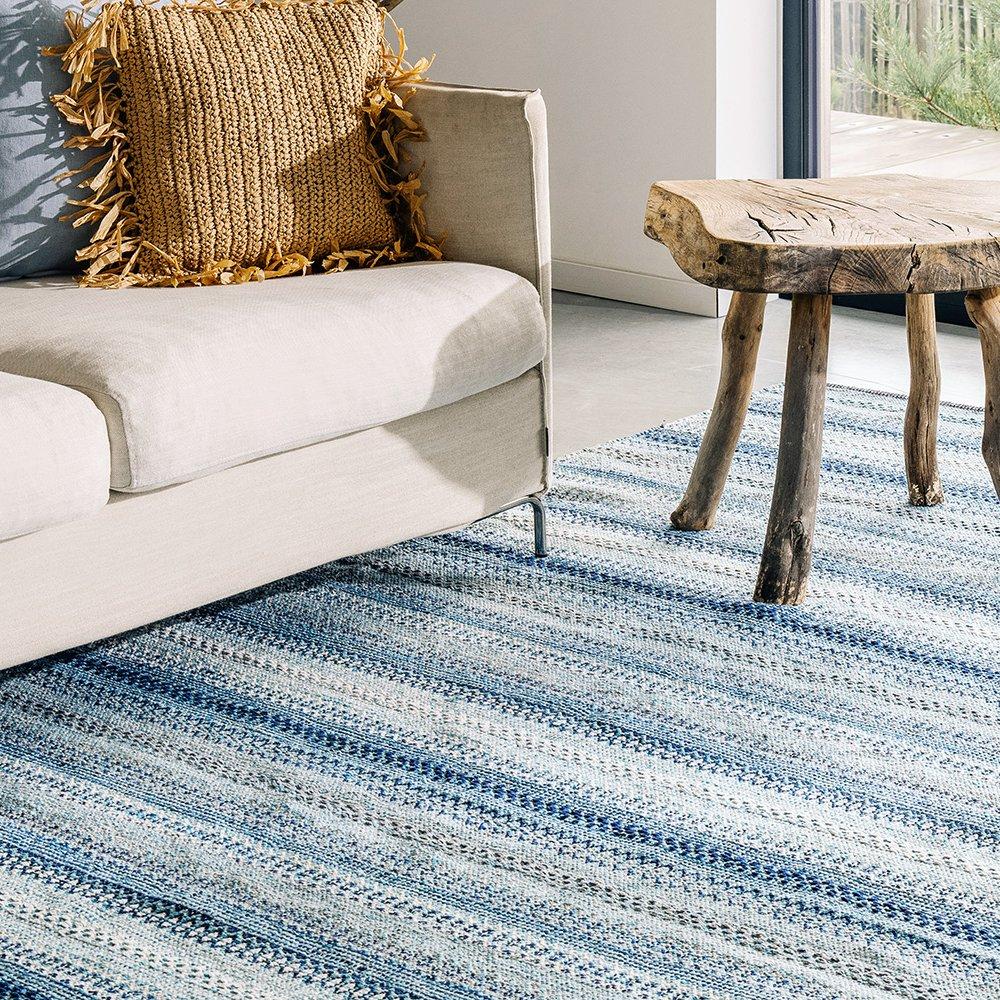
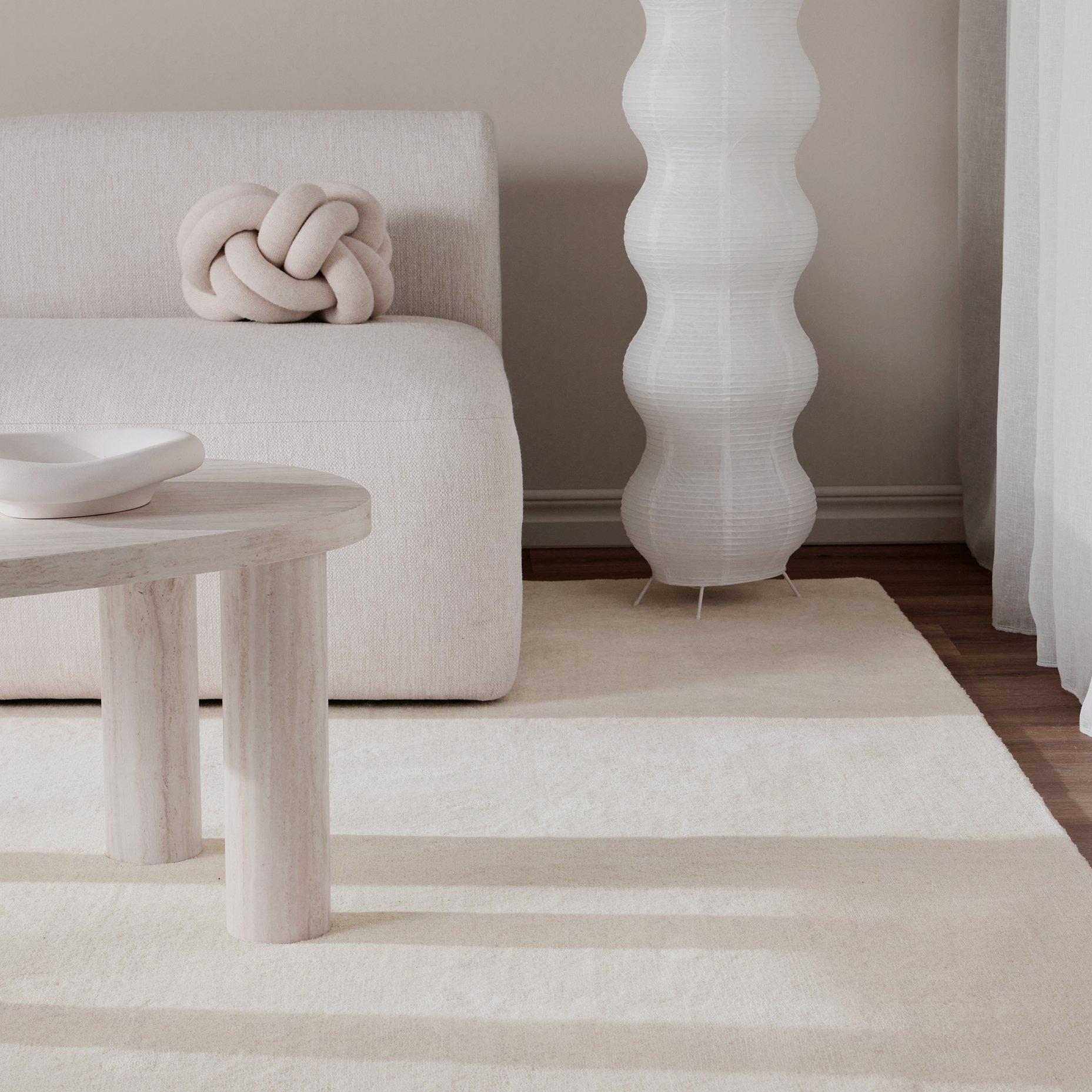
When decorating with beige rugs for living rooms, these tips can help create a balanced and inviting space:
- Choose a beige rug that frames the seating area without dominating the room.
- Use lighter beige tones to brighten living rooms with plenty of natural light.
- Pair beige rugs with white, cream, or soft grey for a layered neutral look.
- Add contrast with darker sofas, armchairs, or accent colours.
- Introduce textiles and cushions to prevent the room from feeling flat or monotone.
- Let the neutral rug highlight furniture and décor rather than compete with them.
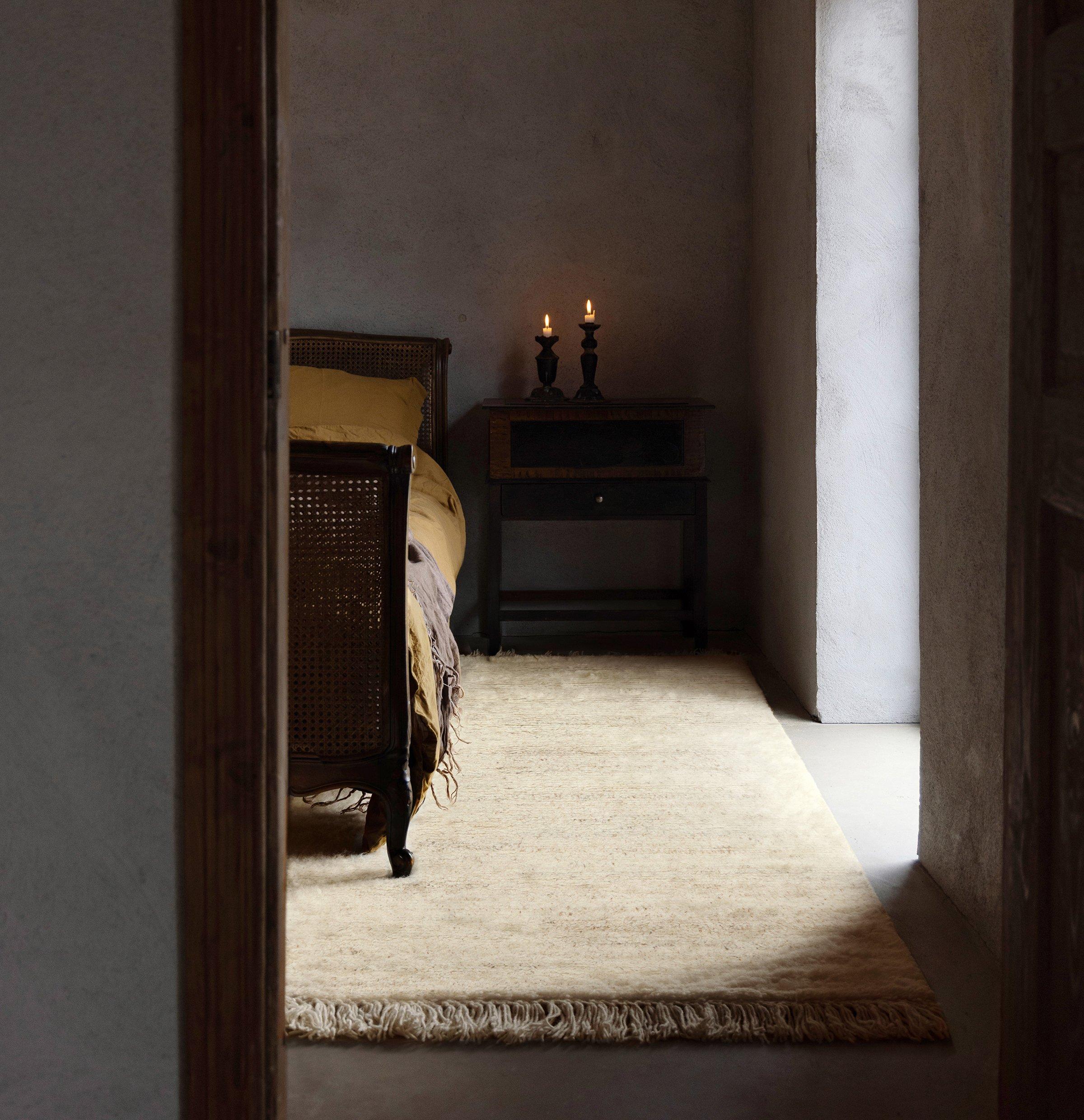
Bedroom
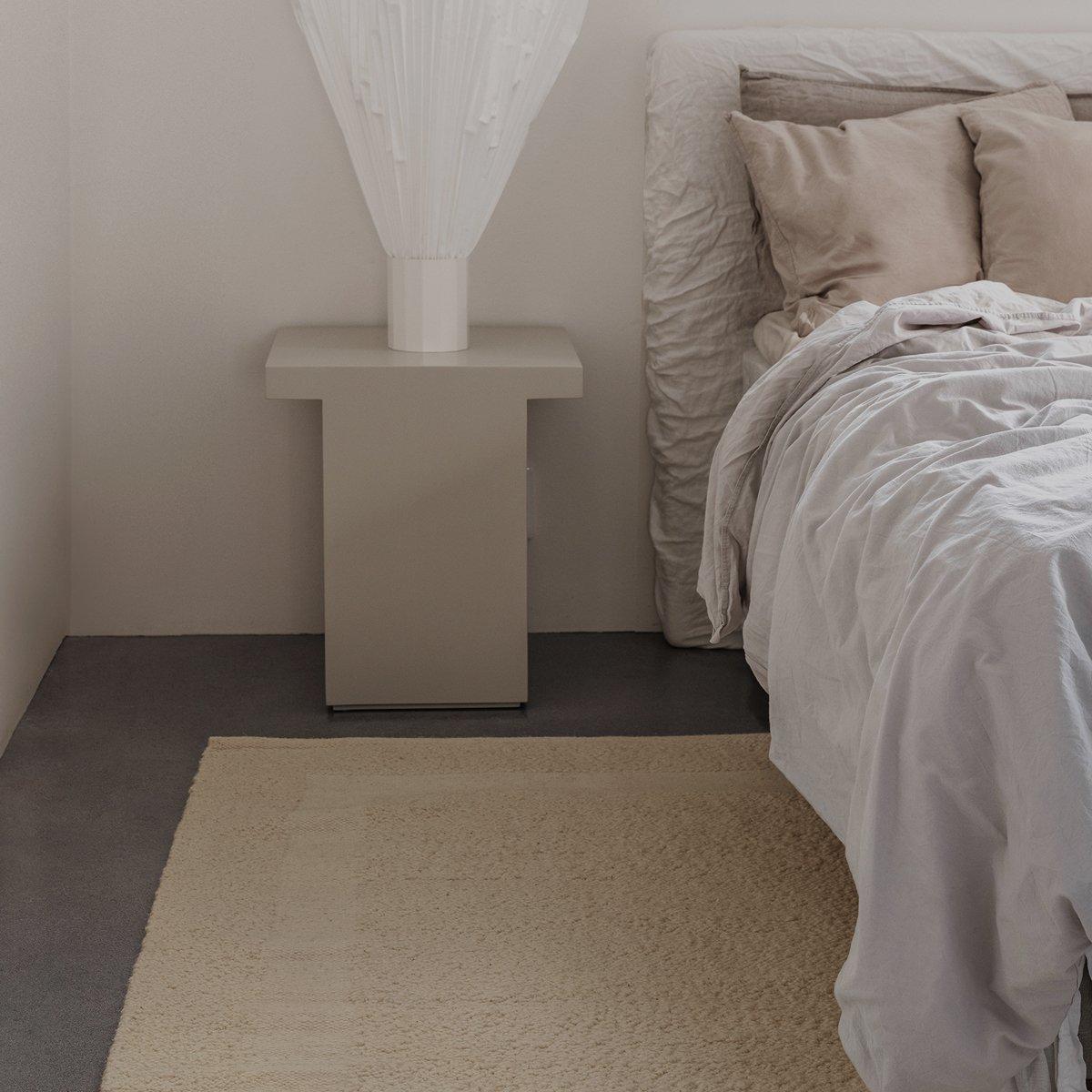
Beige bedroom rugs help create a calm and soothing environment where comfort comes first. Styled thoughtfully, they soften the room and connect key elements of the space.
- Introduce a beige rug to soften the room and enhance a relaxed atmosphere.
- Use tonal variations of beige to avoid a flat or overly uniform look.
- Pair your beige rug with textured fabrics such as linen, wool, or cotton to add warmth.
- Keep the colour palette restrained to support rest and comfort.
- Let the rug visually connect the bed, textiles, and surrounding furniture.
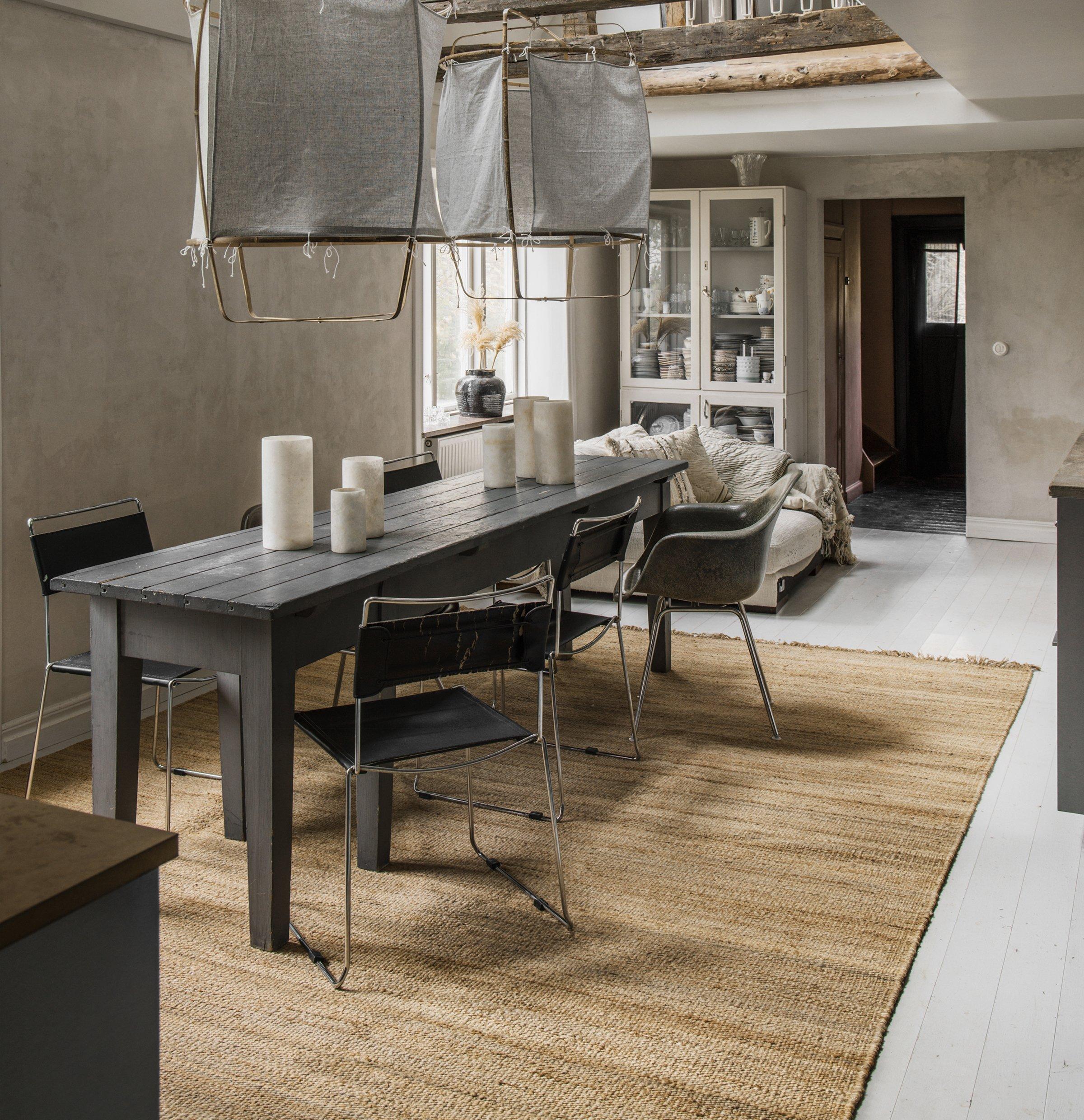
Dining room
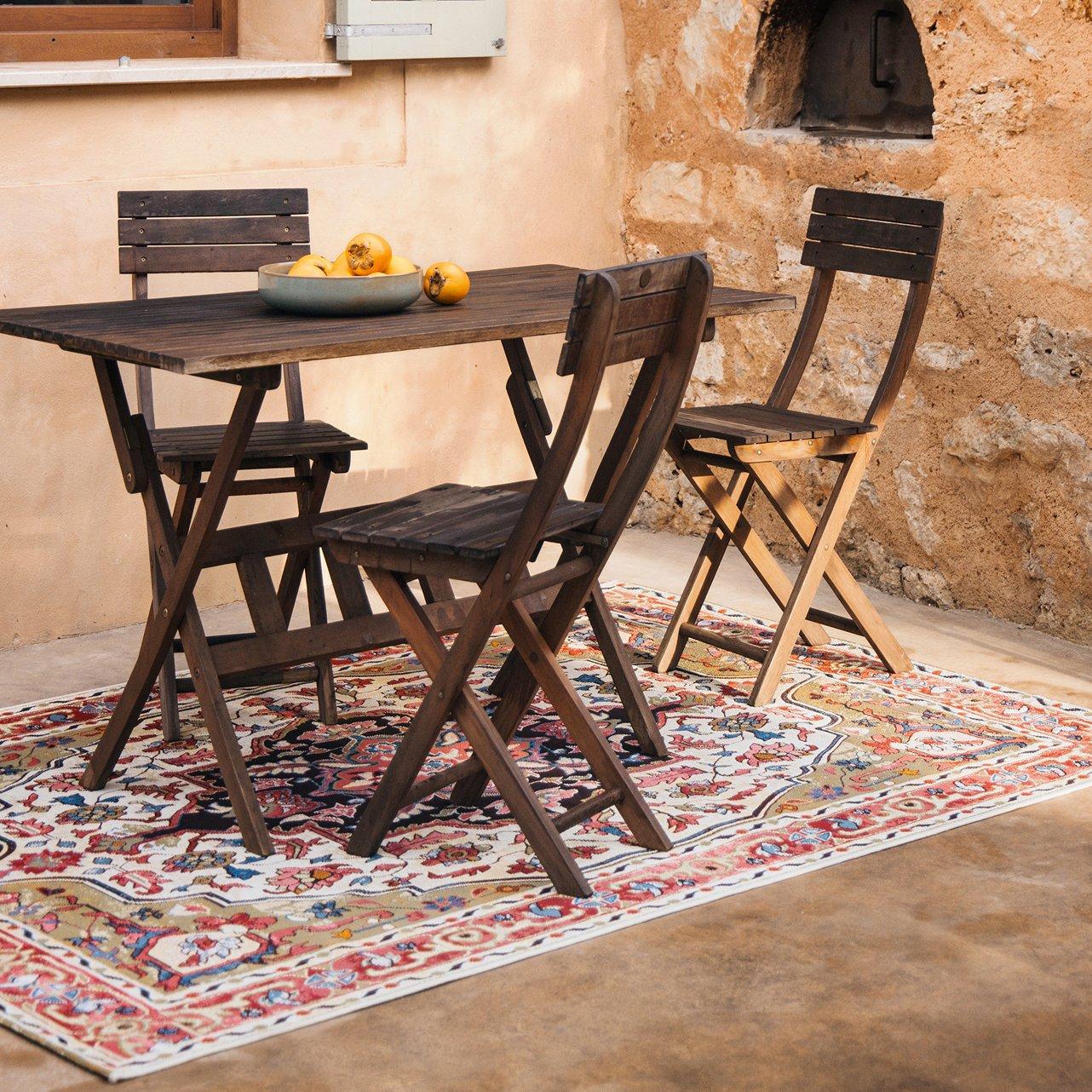
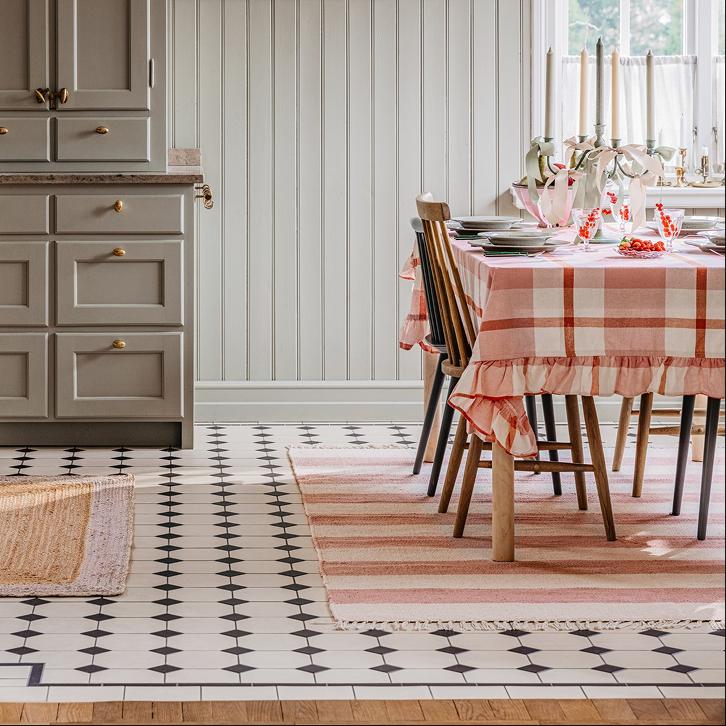
Beige rugs for dining rooms create a soft, neutral foundation that complements both furniture and table settings. These ideas can help make the space feel inviting while remaining practical for everyday use:
- Use a beige rug to create a neutral base, keeping the dining table as the focal point.
- Choose lighter beige tones to brighten the space, especially with light wood or neutral furniture.
- Warmer or deeper beige tones add contrast in dining rooms with darker tables or bold accents.
- Let the rug visually anchor the dining area when paired with simple tableware and understated décor.
- Make sure the rug is large enough for chairs to remain on it when pulled out, helping frame the dining space naturally.
Dining room rugs also face more spills and daily wear, so knowing how to clean your rug can be especially helpful.
Hallway
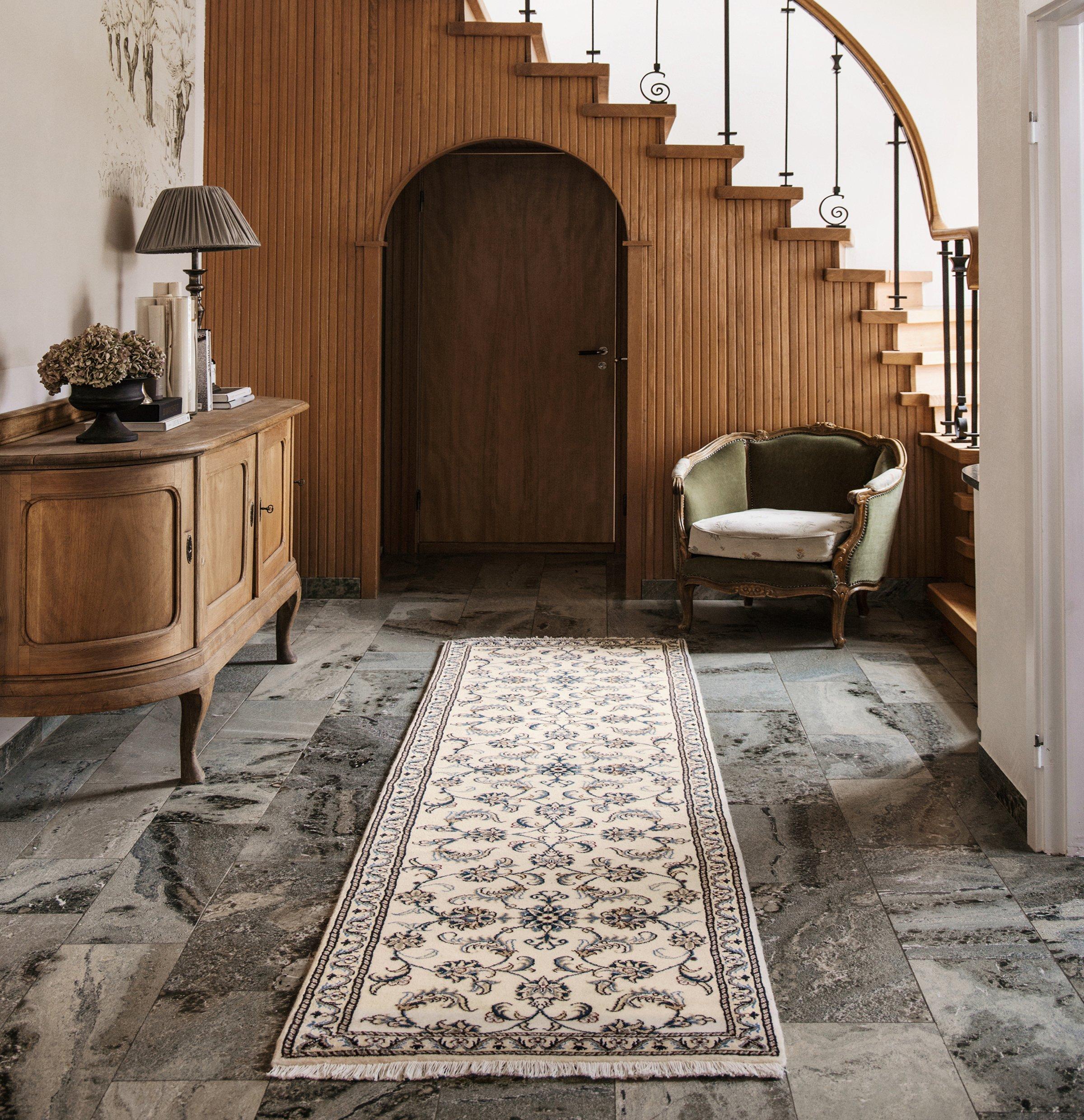
Hallways are often narrow, busy spaces where both function and first impressions matter. Beige rugs for hallways can help guide movement, brighten the space, and handle everyday wear when styled thoughtfully:
- Use a beige rug to create a clear visual flow in long or narrow spaces.
- Choose a rug length that leaves space at the ends to avoid a cramped look.
- Let beige tones brighten darker hallways with limited natural light.
- Select a low-pile rug that won’t interfere with doors or storage.
- Use beige as a neutral base to create a visual connection between rooms.