





Wool rug shedding explained
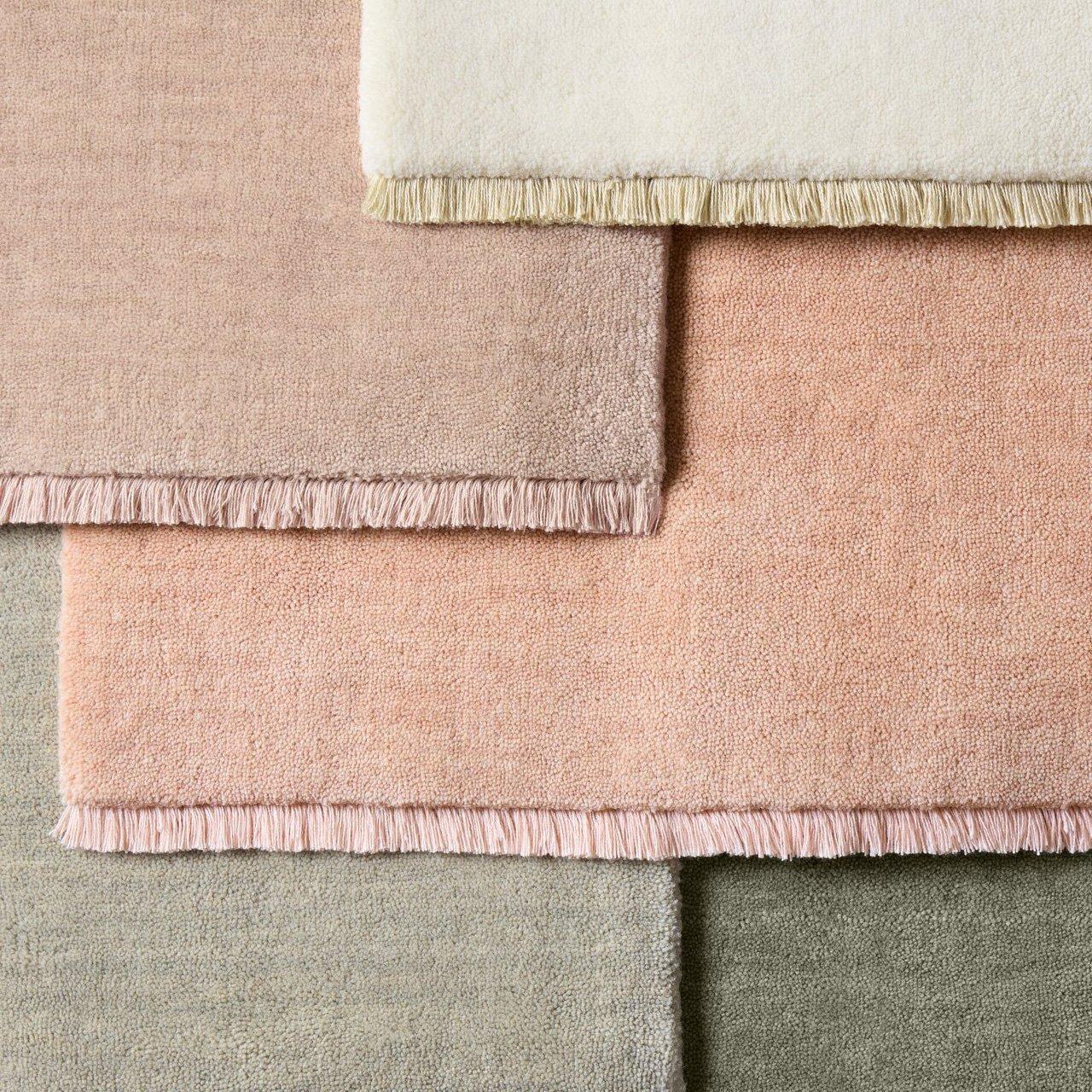
A new wool rug adds instant warmth and luxury to your home. But, the discovery of loose fibres — known as wool rug shedding — can quickly cause worry. Wool rug shedding is completely normal — it happens when loose fibres leftover from the manufacturing process begin to work their way out. Most shedding lessens within a few months and can be managed with proper care.
In this guide, we’ll explain why wool rugs shed, how long it lasts, and what you can do to reduce it — so you can keep your rug looking great for years to come.

Why do wool rugs shed? Understanding the cause
Before tackling wool rug shedding, it helps to know why it’s happening in the first place. Shedding is mostly due to the material and how the rug is made.
Wool is a natural fibre
Wool strands aren’t endless; they’re short pieces (called staple fibres) that are twisted together to make yarn.
- Loose ends: During the twisting and weaving process, some of these short fibre ends don’t get fully locked into the yarn.
- Release: When you walk on the rug or clean it, these loose fibres pop out.
Construction method
The construction method can be one of the reasons rugs shed differently. Construction methods — whether it’s handmade or machine-made — might have an impact on the level of shedding.
- Hand-knotted (minimal shedding): Hand-knotted rugs tend to shed less over time because each yarn is securely tied. Initial shedding is due to leftover fibres from the manufacturing process and quickly stops.
- Hand-tufted (more initial shedding): Hand-tufted rugs can shed more because they use shorter wool that’s held together by latex glue.
- Machine-made (varied shedding): Machine-made rug shedding varies by the wool used and loom tension.
While the construction method can have an impact on how much a wool rug sheds, it isn’t the only factor. The type and quality of fibre, yarn construction, fibre length, pile density, finishing (clipping), and how the yarn is secured, can all influence wool rug shedding.
Shedding timeline: What’s normal?
All new wool rugs go through an initial “break-in” shedding period. This is when the last remaining loose fibres from the factory cutting and finishing are released. Once these excess fibres are gone, shedding should slow down a lot although this remains a characteristic of wool rugs.
- 1–3 months: heavy shedding
- Up to 6 months: light shedding
- After 12 months: light to rare shedding depending on the type of wool used
It’s important to note that this shedding timeline is only a guideline and will vary depending on the specific rug and how it’s cared for.
How to stop a wool rug from shedding
You can’t stop wool rug shedding completely, but you can manage it over time. Follow the steps below to help reduce shedding in a wool rug.
1. Hoover the right way
The wrong hoovering technique is the number one cause of excessive shedding and can damage your rug’s pile.
- Turn off the brush bar: This is the most important rule. Never use the rotating brush or beater bar on a wool rug. It acts like a rake, violently pulling out fibres. Only use the suction setting.
- Adjust the height: Set your hoover to the highest possible height setting so it just skims the surface.
- Hoover gently and often: For the first six months, hoover lightly a few times a week to help pull out the loose fibres faster. Once the heavy shedding stops, you only need to hoover around once a week.
- Follow the pile: Hoover in the direction the wool naturally leans, not against it. This reduces friction.
- Don’t use a robot hoover: These often use aggressive spinning brushes and hoover too frequently, which can damage the wool fibres and increase shedding.
2. Use a quality anti slip rug pad
A good anti-slip placed under your rug is a great investment for reducing shedding.
- Soft landing: The anti-slip acts like a cushion, taking the shock out of footsteps. This reduces stress on the wool fibres, preventing them from snapping and releasing.
- No sliding: An anti-slip keeps the rug still. When a rug slides, the friction causes the fibres to rub, which increases shedding.
3. Limit high-traffic exposure (at first)
The more friction and footsteps a rug gets, the more it will shed. If possible, place your wool rug in a living room or bedroom rather than a main hallway to begin with. If you must use it in a busy area, be prepared to vacuum more often at first.
When to worry about wool rug shedding
A common question is, “Will my wool rug stop shedding over time?” A little shedding will always be natural for wool and it’s normal for this to occur throughout the rug’s lifetime. However, the heaviest shedding commonly happens when the rug is new, with this usually decreasing over time.
Long-term shedding
For a well-made wool rug, the heavy initial shedding should reduce after about a year. After that, you’ll likely see significantly lighter shedding.
The initial heavy shedding is not a sign of poor quality; it’s a sign of a new rug getting rid of its leftovers. Quality wool rugs are famous for their longevity and can look beautiful for decades if cared for correctly.
Essential wool rug maintenance tips
Cleaning a wool rug and regular maintenance are simple and key ways to make your investment last.
- Deal with spills: When cleaning spills, blot gently with a clean, white cloth instead of rubbing. If water isn’t enough, use a small amount of mild dish soap mixed with cool water.
- Rotate your rug: If one part of your rug gets more sun or foot traffic, it’ll wear out faster. Rotate the rug 180 degrees every six months. This helps to even out wear and tear.
- Invest in professional cleaning: Avoid using a steam cleaner as hot water and harsh chemicals can cause damage. Instead, have your wool rug professionally cleaned every 12-18 months by a cleaner experienced with wool.
Beyond shedding: Why wool rugs are still a top choice
Even with shedding, wool rugs offer long-term benefits:
- Softness underfoot: Wool is naturally soft, plush, and offers excellent insulation compared to synthetic fibers.
- Naturally durable: Wool is a tough, resilient and durable fibre that resists wear and retains its shape.
- Excellent stain resistance: Wool’s natural oils resist liquids, simplifying spill cleanup and preventing quick stains.
- Sustainable choice: Wool is a renewable, biodegradable resource requiring less energy to produce than oil-based synthetics.
- Hypoallergenic: Regularly maintained wool rugs are hypoallergenic due to their ability to trap dust, moisture and other allergens.
- Flame resistant: Wool is a naturally flame resistant and flame retardant material with a high ignition temperature.
Not all wool rugs shed equally — construction, fibre type and quality all play a role. If you’re unsure what’s right for you, we offer an extensive collection of high-quality wool rugs so that you can find the perfect fit for your space and lifestyle.
Wool rug shedding – FAQs
No — it’s completely normal for wool rugs. High-quality wool rugs shed, especially at the beginning but this tends to reduce over time.
Usually 1–6 months. After that, shedding is generally significantly reduced.
Not fully, shedding is a natural characteristic of wool — but proper hoovering and anti-slip use make it manageable.
No, unless it shows bald spots or quality issues. Shedding is expected.
A suction-only hoover with no beater bar. Adjustable height is ideal.