




Rug weaving traditions: History, culture, and craft
Rug weaving is more than a craft—it’s an ancient tradition reflecting the history, culture, and creativity of its makers. From nomadic tribes to bustling city workshops, every hand-knotted rug tells a story about the people who made it, their lifestyle, and their surroundings.
In this guide, we’ve looked at the different weaving techniques and traditions behind oriental nomadic, village, and classic rugs to explain the history, craftsmanship, and design of each.
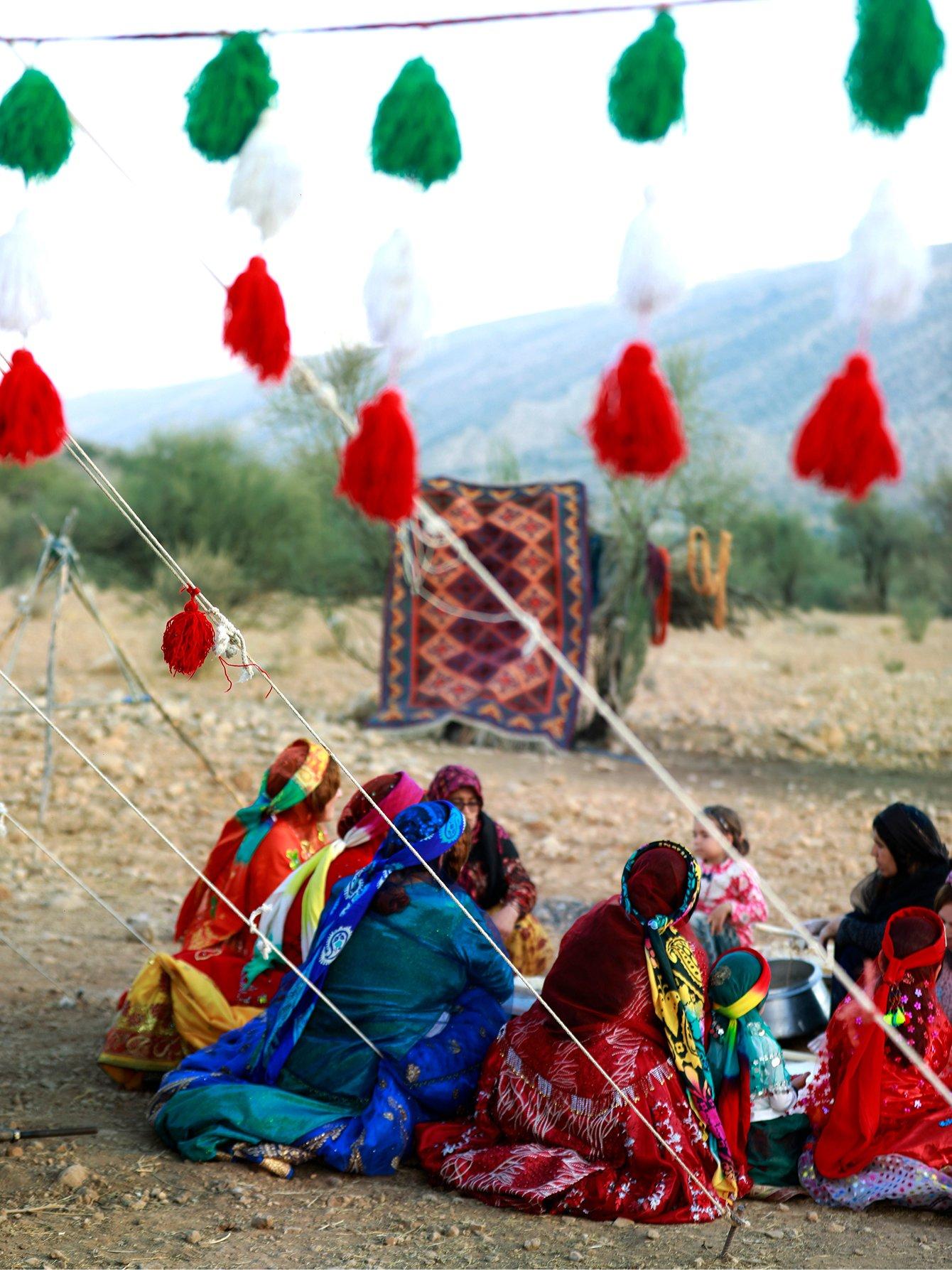
The origins of rug weaving
The art of rug weaving has roots stretching back thousands of years, originating in Central Asia and spreading through Persia, Turkey, the Caucasus, and beyond. What started as a practical way to stay warm and decorate tents quickly grew into an art form filled with cultural symbols and creativity.
Authentic oriental rugs became prized across the world for their durability, fine craftsmanship, and detailed patterns. Each region developed its own styles and weaving techniques, influenced by local traditions and materials.
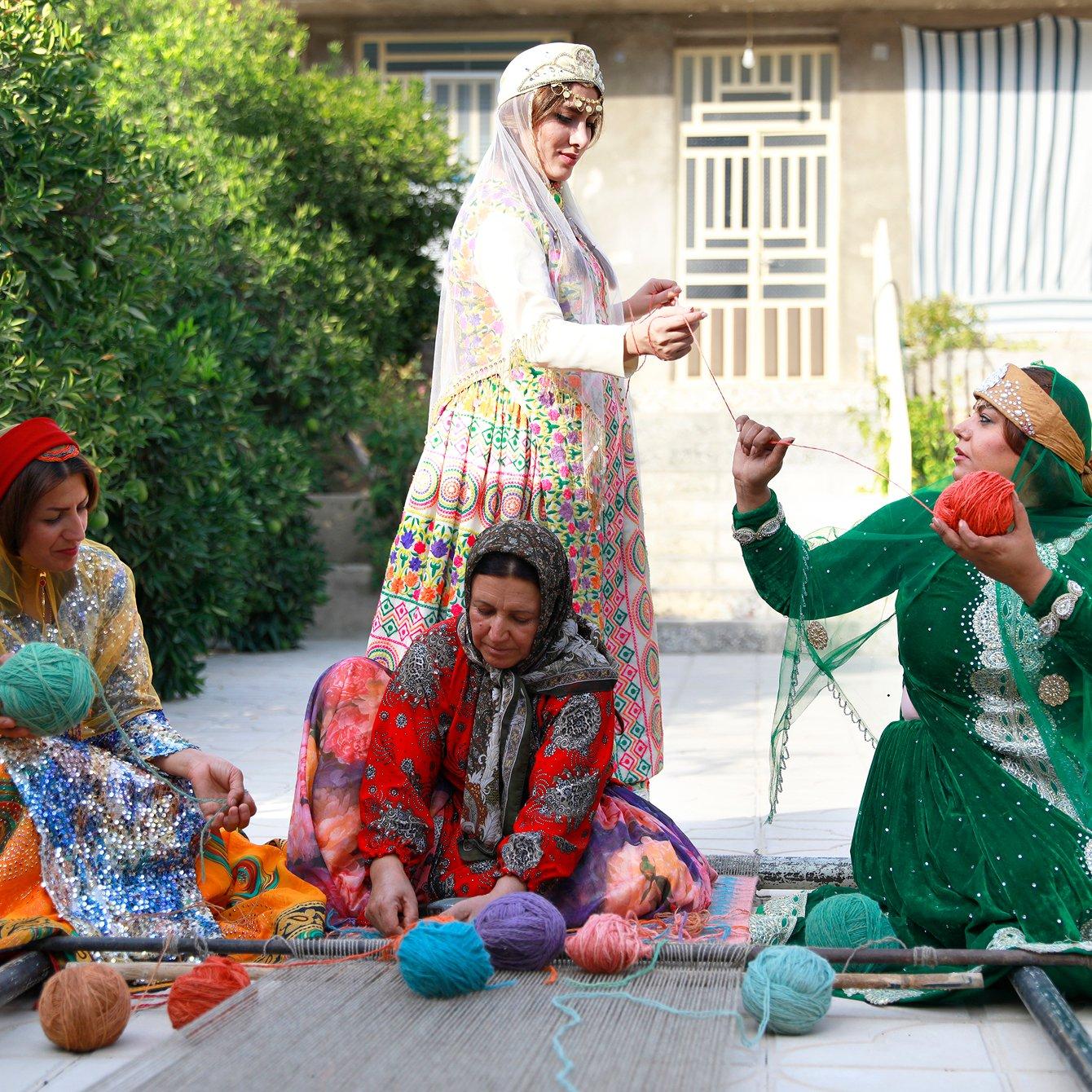
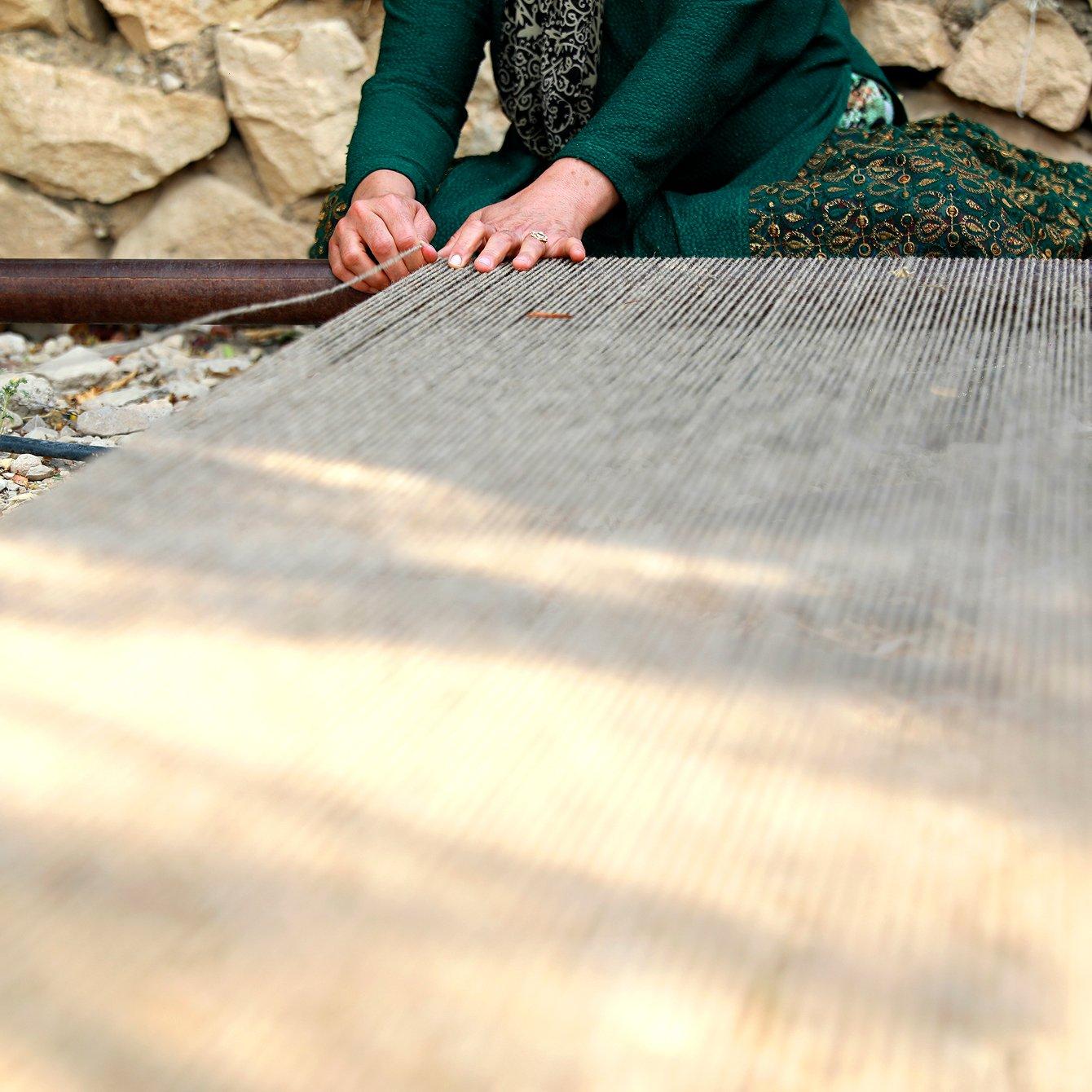
Overview of rug weaving traditions
Before looking at each type of rug in detail, it helps to see how different rug weaving traditions fit together. Nomadic, village, and classic rugs are all part of the same broad heritage, but they developed in very different environments:
- Nomadic rugs are woven on the move, with simple tools and local wool.
- Village rugs are made in settled communities, where weavers refine their skills and experiment with patterns.
- Classic rugs grew out of workshop and city traditions, and focus on precision, luxury, and highly detailed designs.
The sections below explain how each of these traditions looks in practice—how the weavers work, what techniques they use, and how this shapes the final rug.
Oriental nomadic rugs: Woven on the move
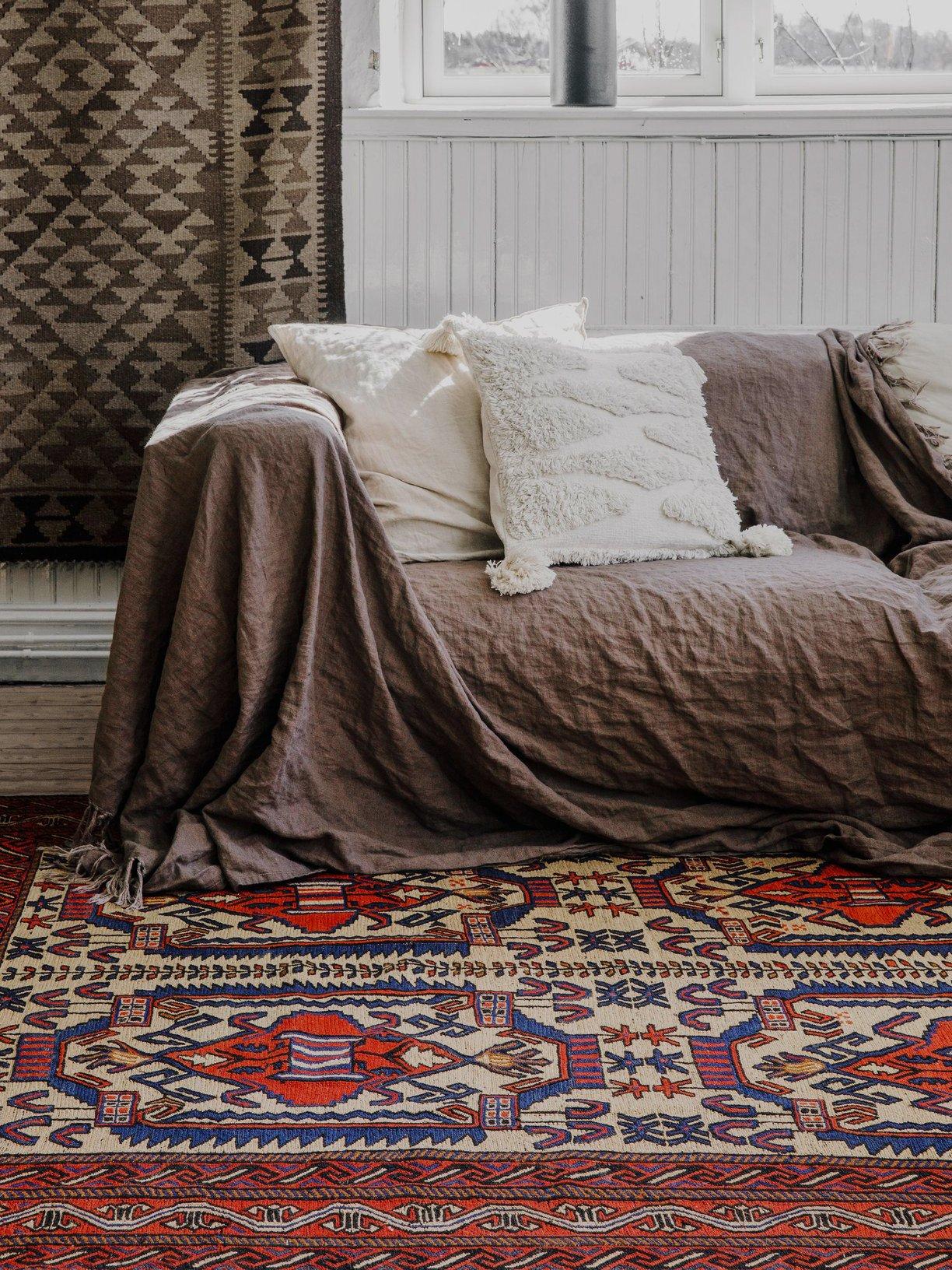
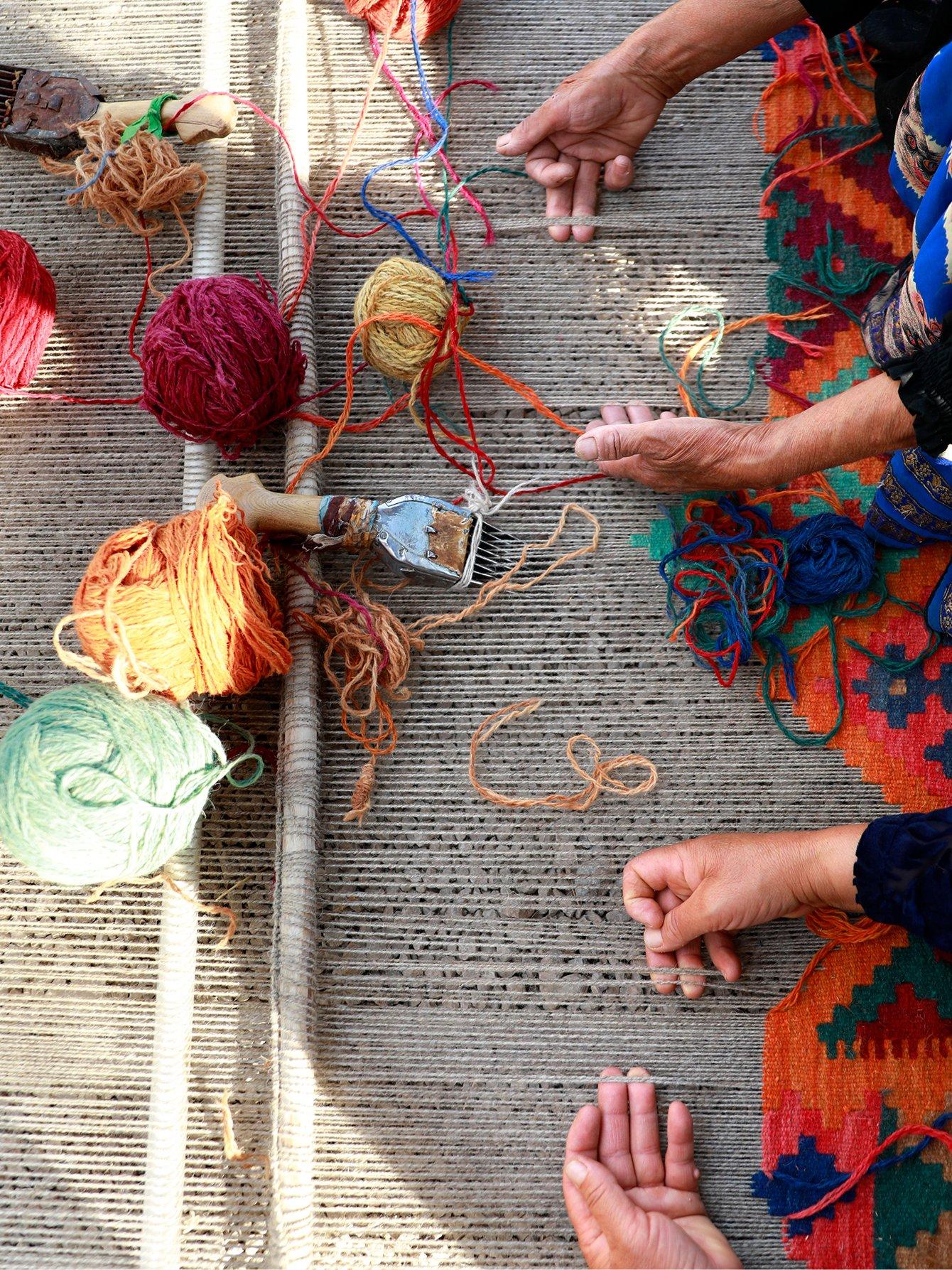
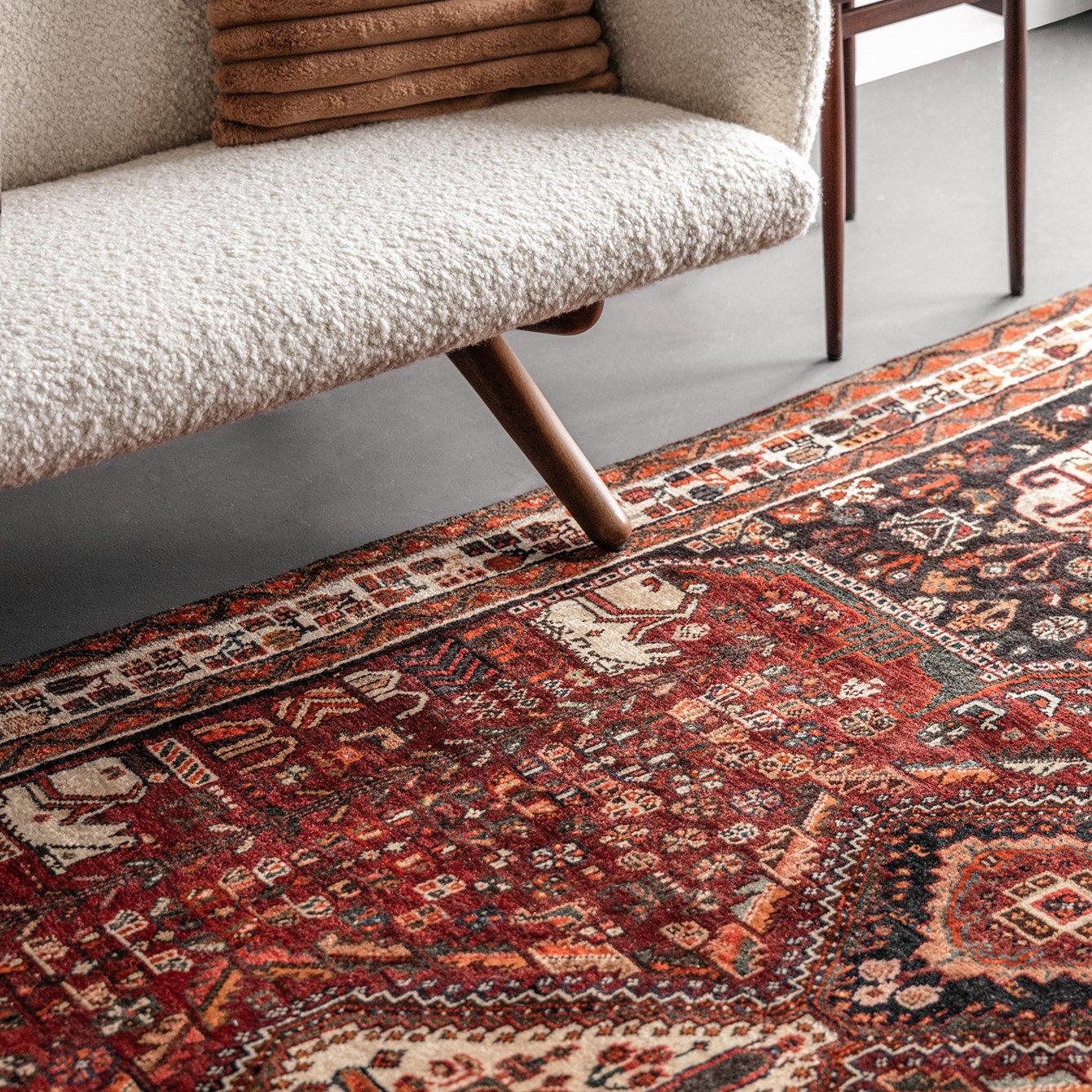
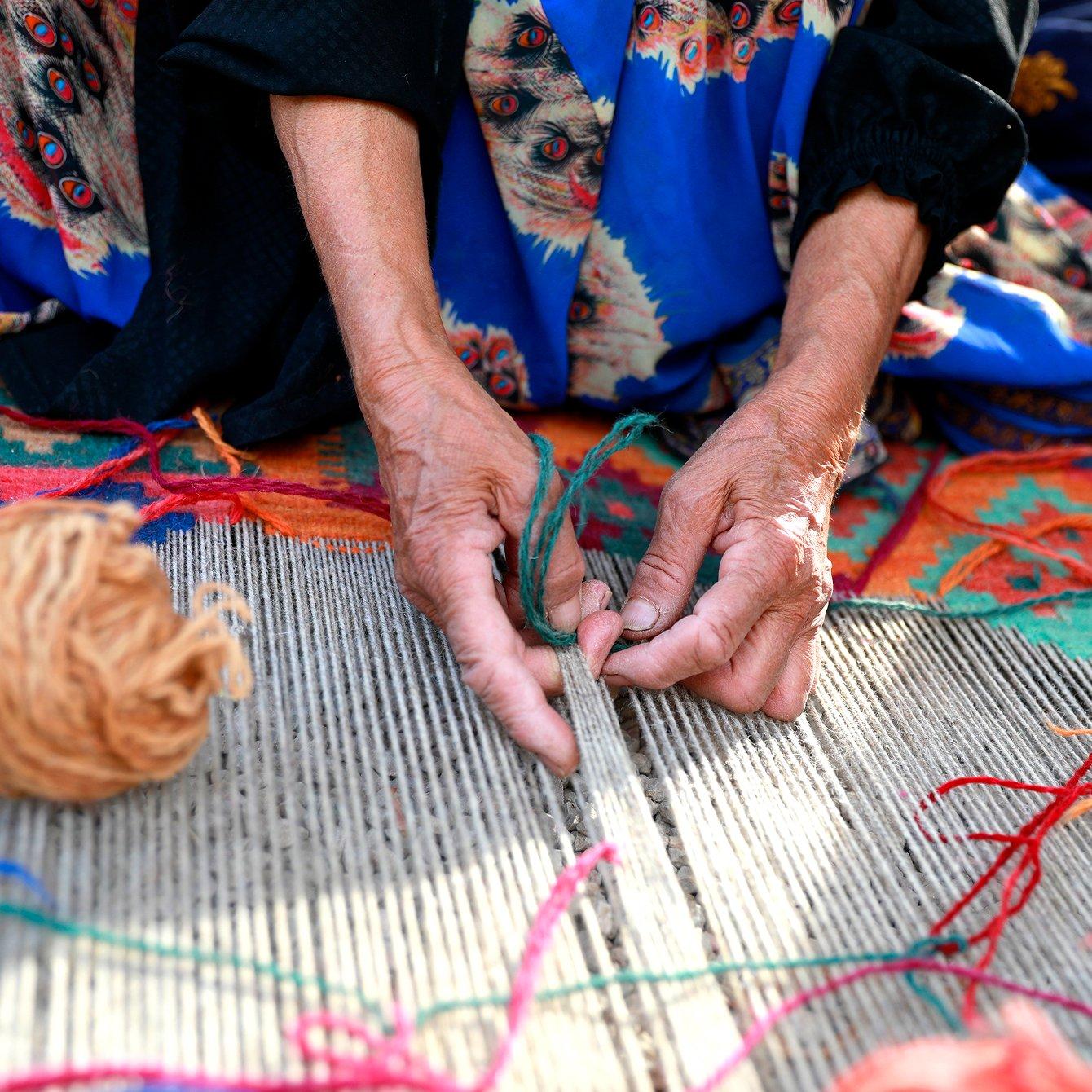
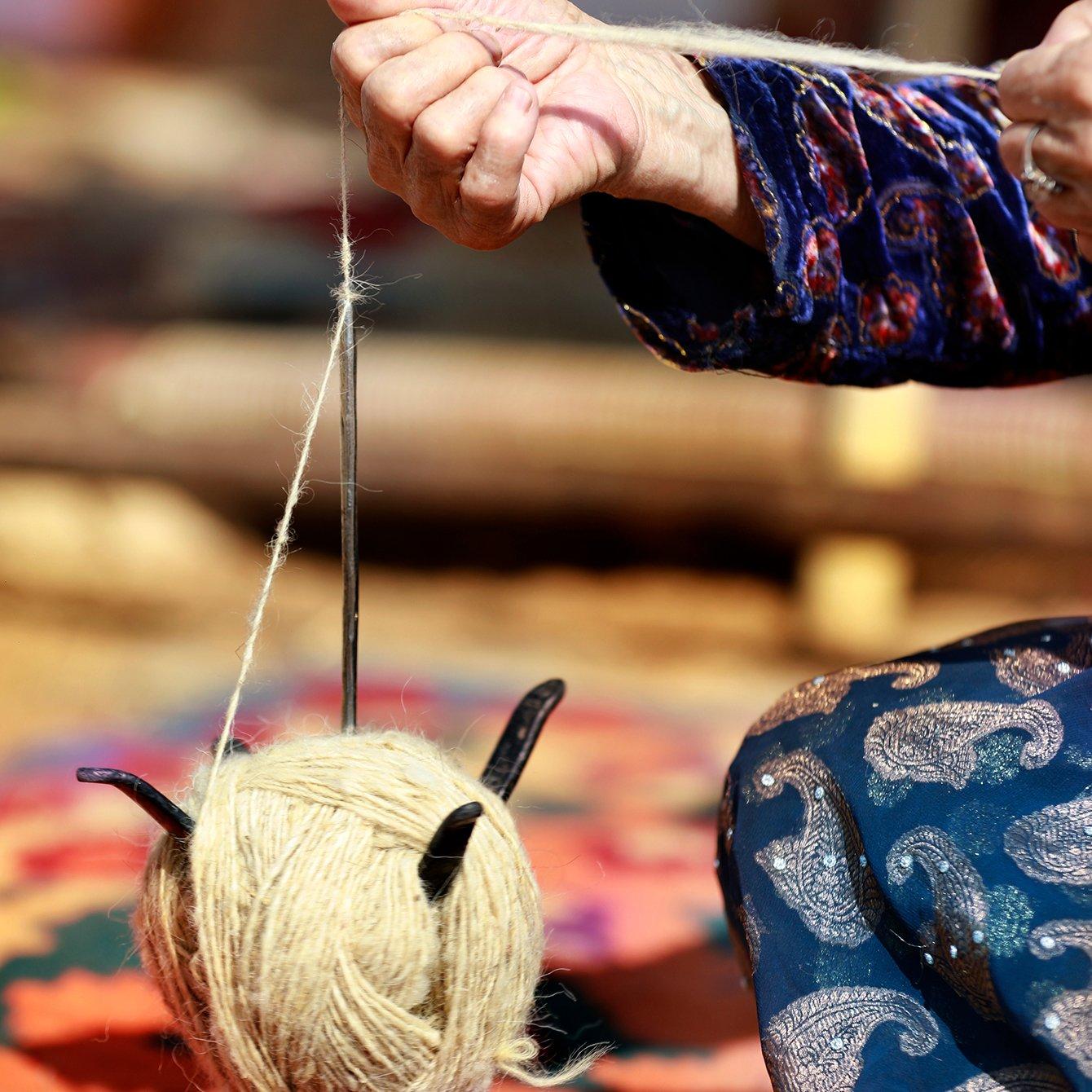
Nomadic rugs are made by tribal weavers, most often women, who traditionally live migratory lifestyles. This practice is used as a source of income, but few women rely on this as their sole source of income. Created on portable looms, these nomadic rugs are compact, easy to roll up, and made using materials available along the migration routes, such as vegetable dyes and wool from their own livestock.
Design and style
Nomadic rugs are known for:
- Geometric designs and simple patterns.
- Bright natural dyes.
- Meaningful symbols — like stars, animals, or amulets — that depict the nature around them or the areas they travel through.
Because they’re handwoven in temporary settings, these rugs often have small imperfections that add to their charm and character.
Stories woven in
Each nomadic rug tells part of the weaver’s personal story. The designs often hold cultural meaning, representing protection, fertility, or connection to nature.
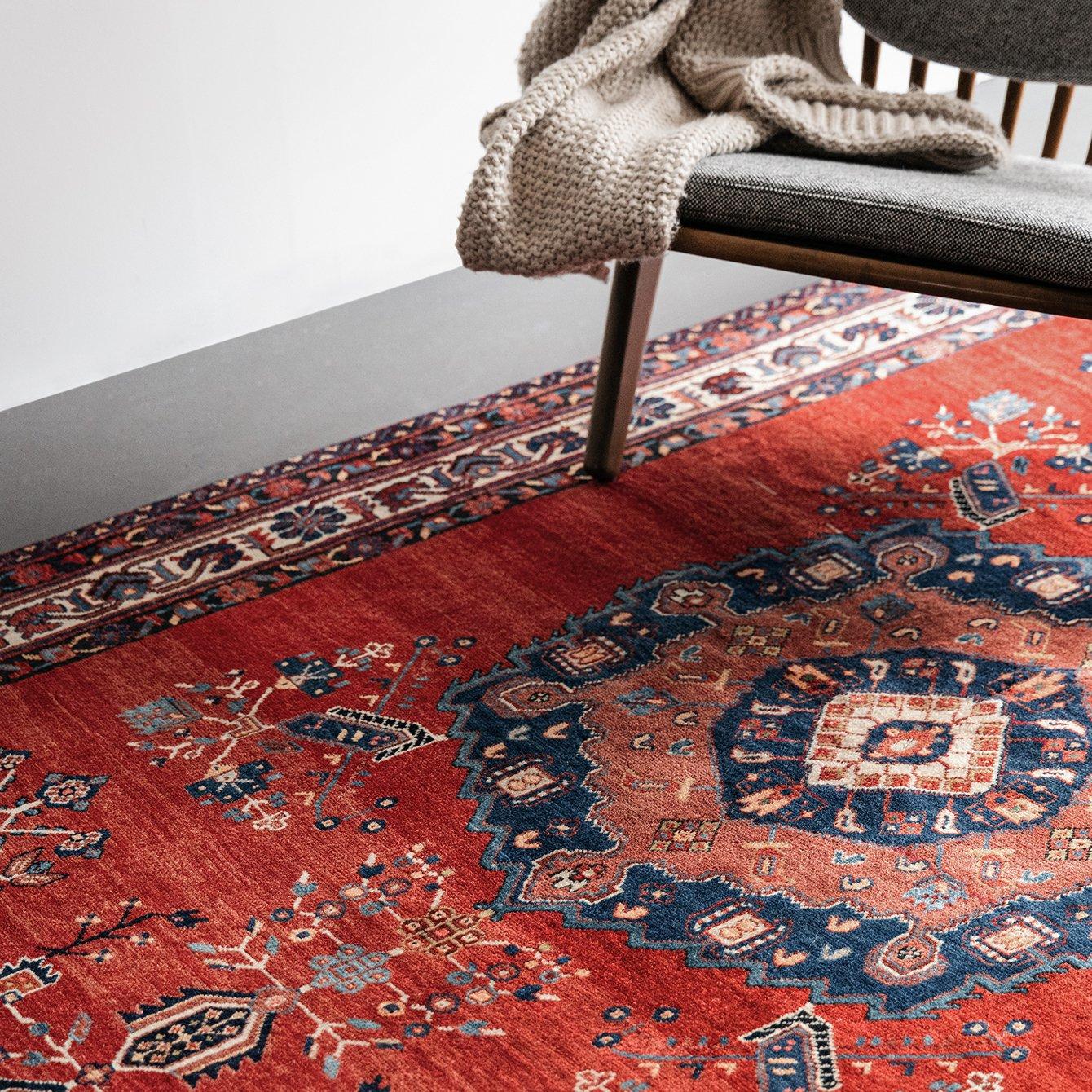
Oriental village rugs: Tradition with a local touch
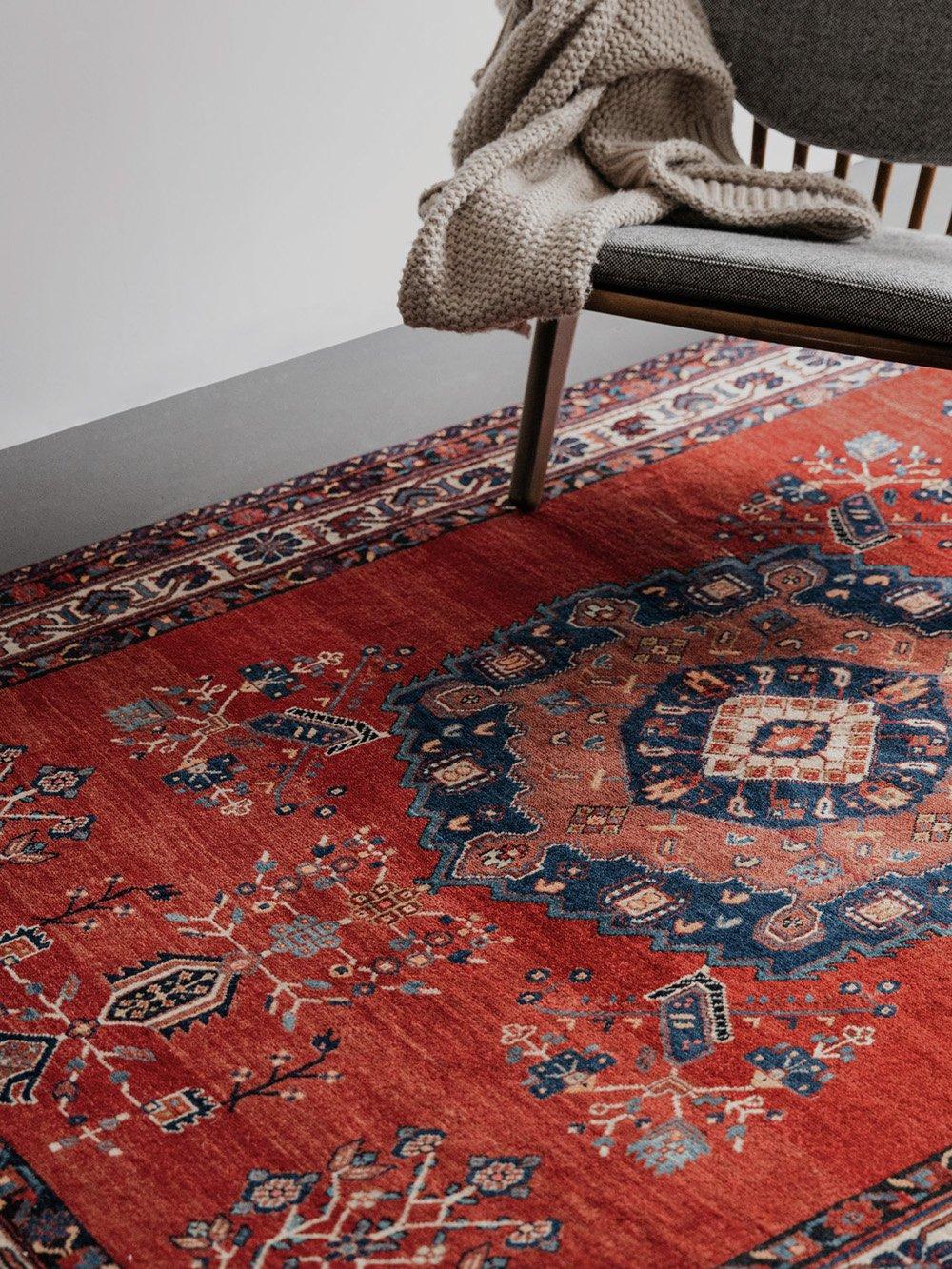
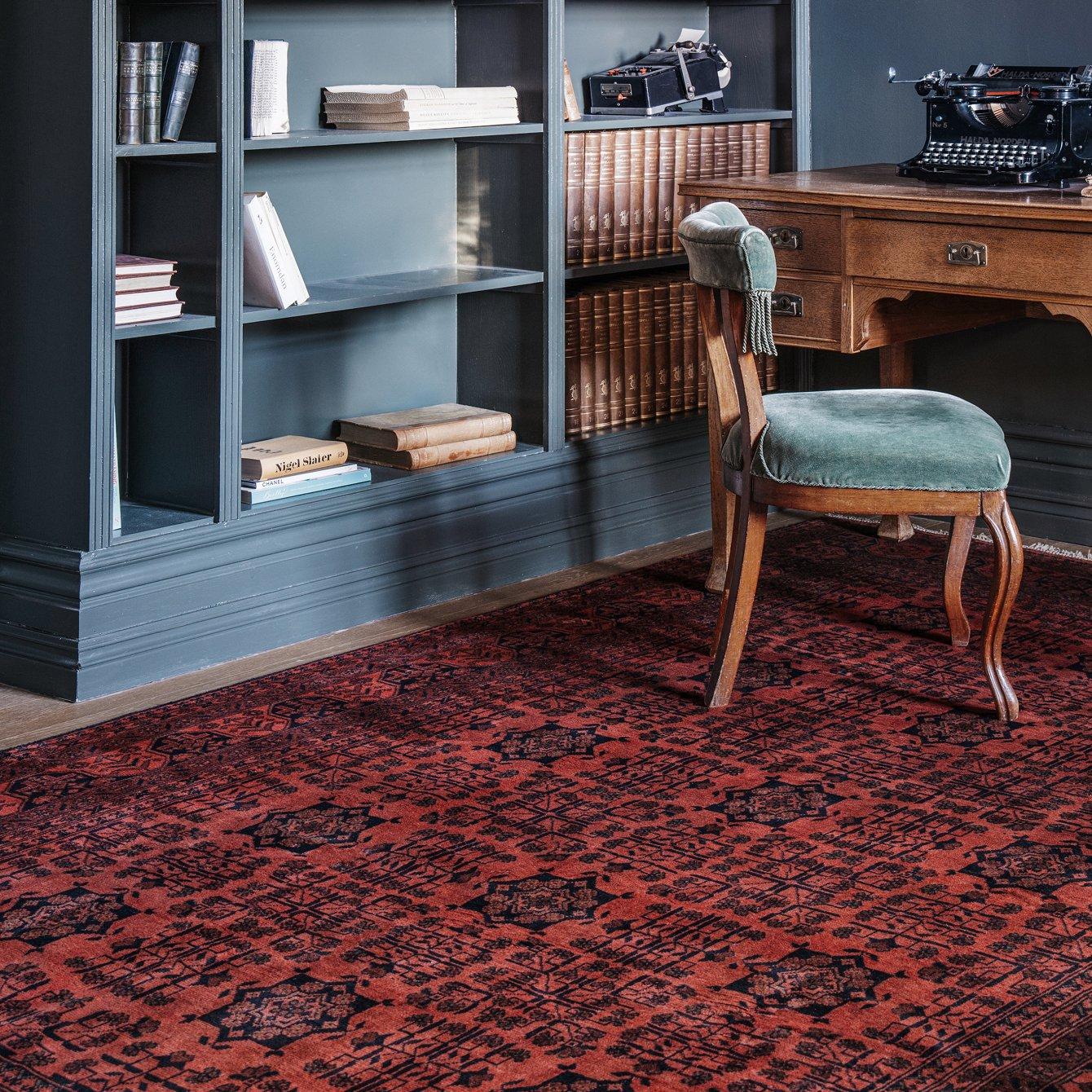
Similarly to nomadic rugs, village rugs are knotted in small communities by women. Female rug weavers work independently, combining traditional tribal methods with more permanent tools and materials. Weavers often make rugs for both home use and trade.
Design and style
Village rugs are known for:
- Tighter weaving and stronger construction.
- Mixes of geometric and floral patterns.
- Richer colours thanks to better access to dyes.
While village rugs still show individuality, they’re generally more consistent than nomadic rugs.
Distinct local styles
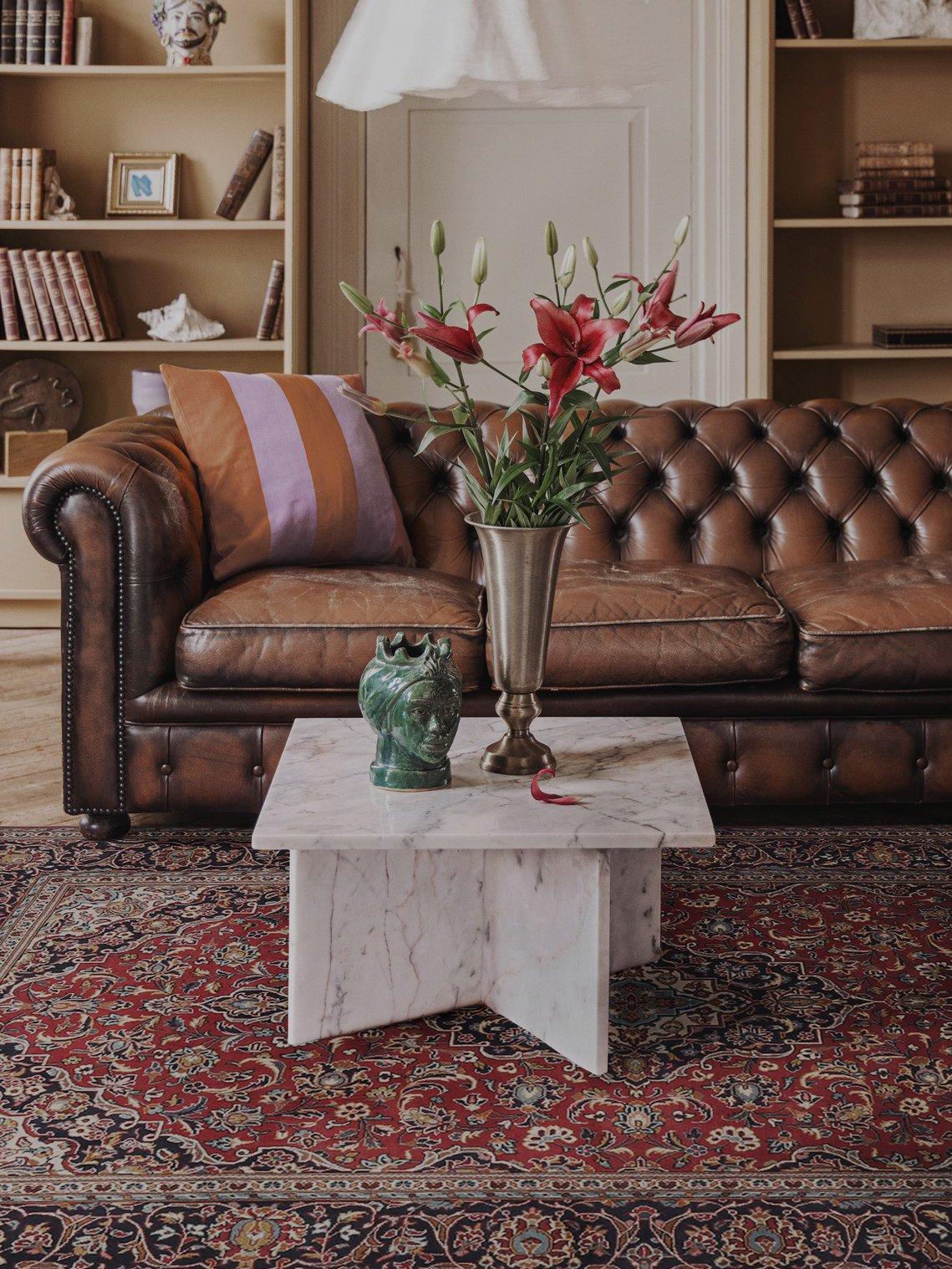
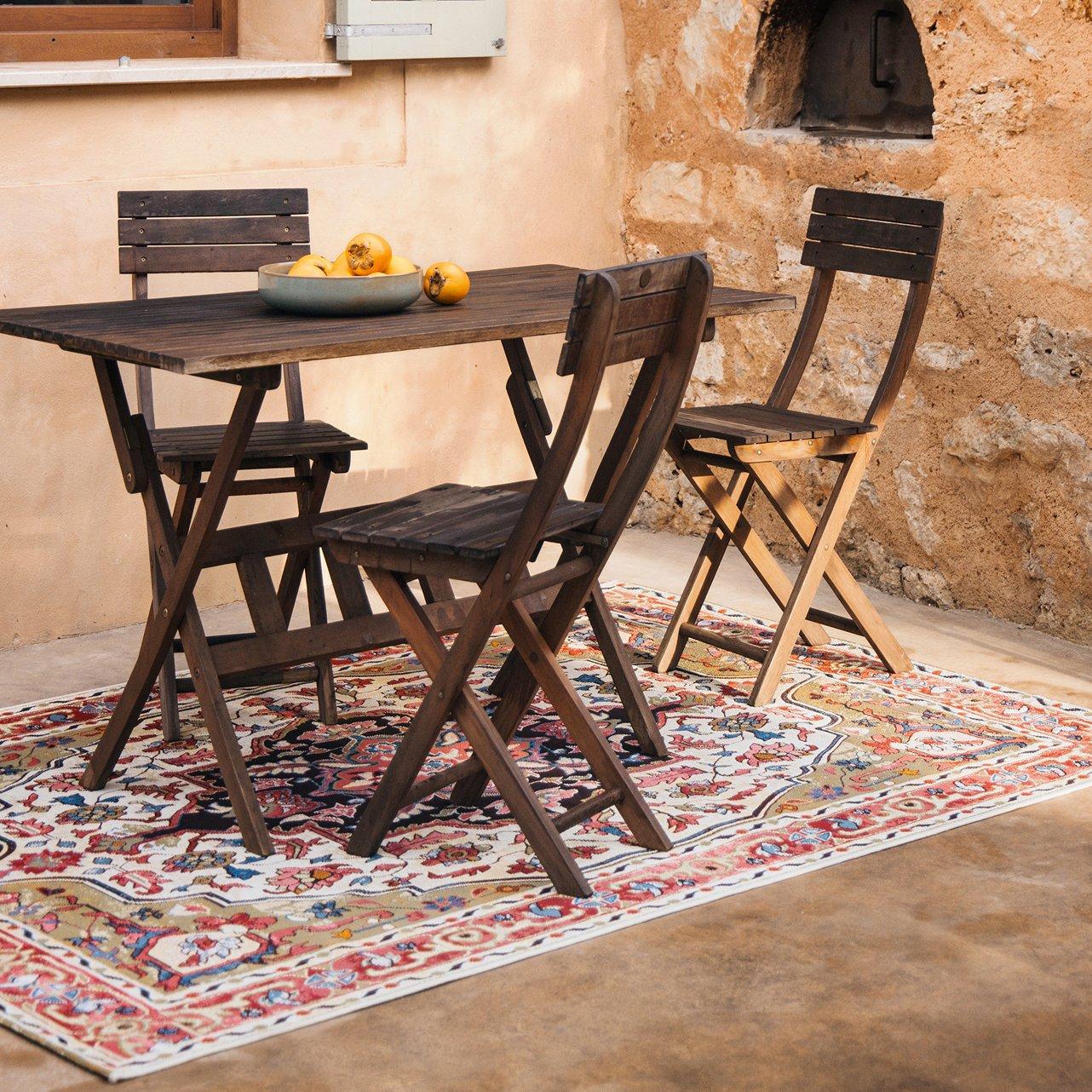
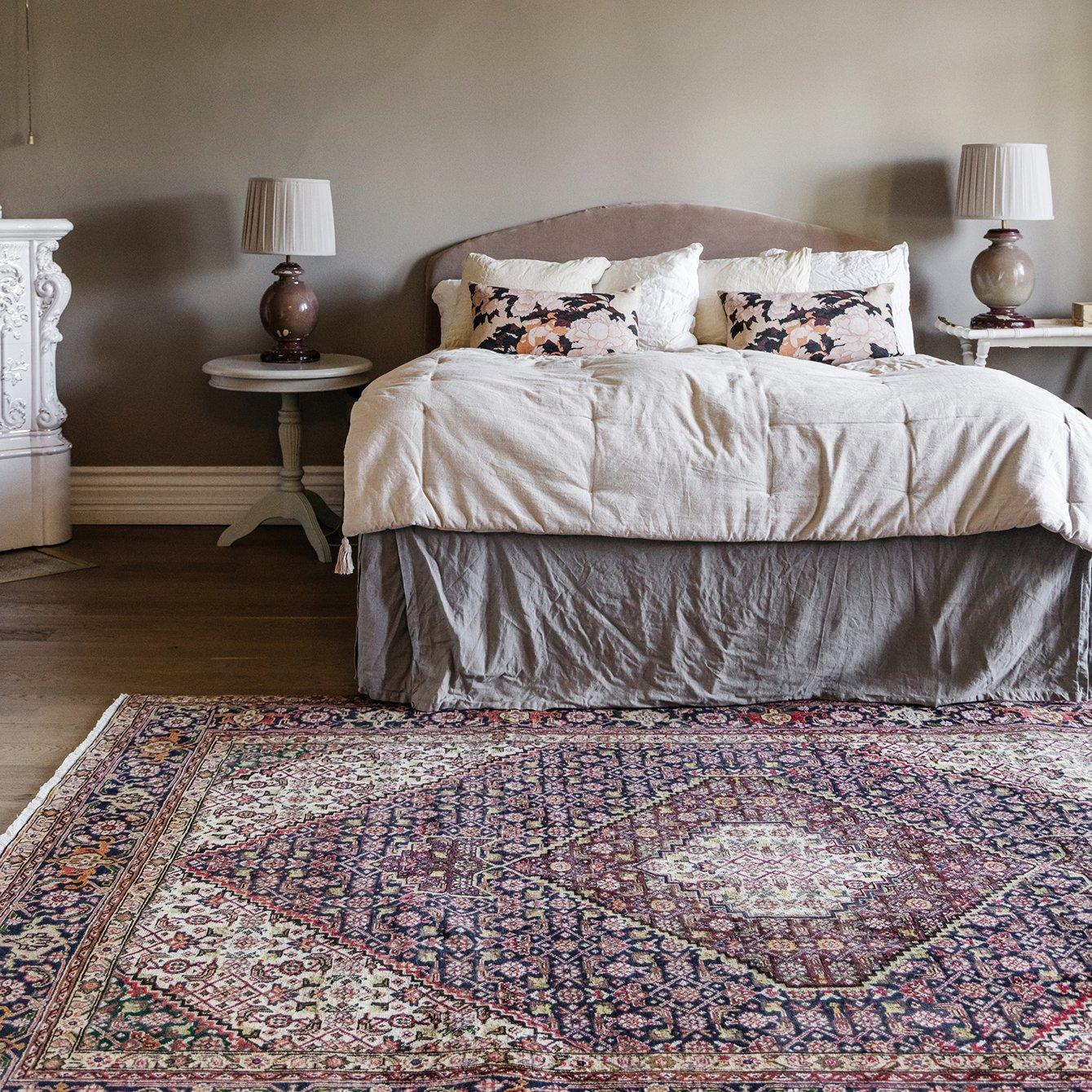
Each village developed its own recognisable style. For example, Heriz, Keshan, and Bakhtiari rugs each have distinctive designs and colour schemes. These local styles reflect both creativity and community identity.
Oriental classic rugs: The height of elegance
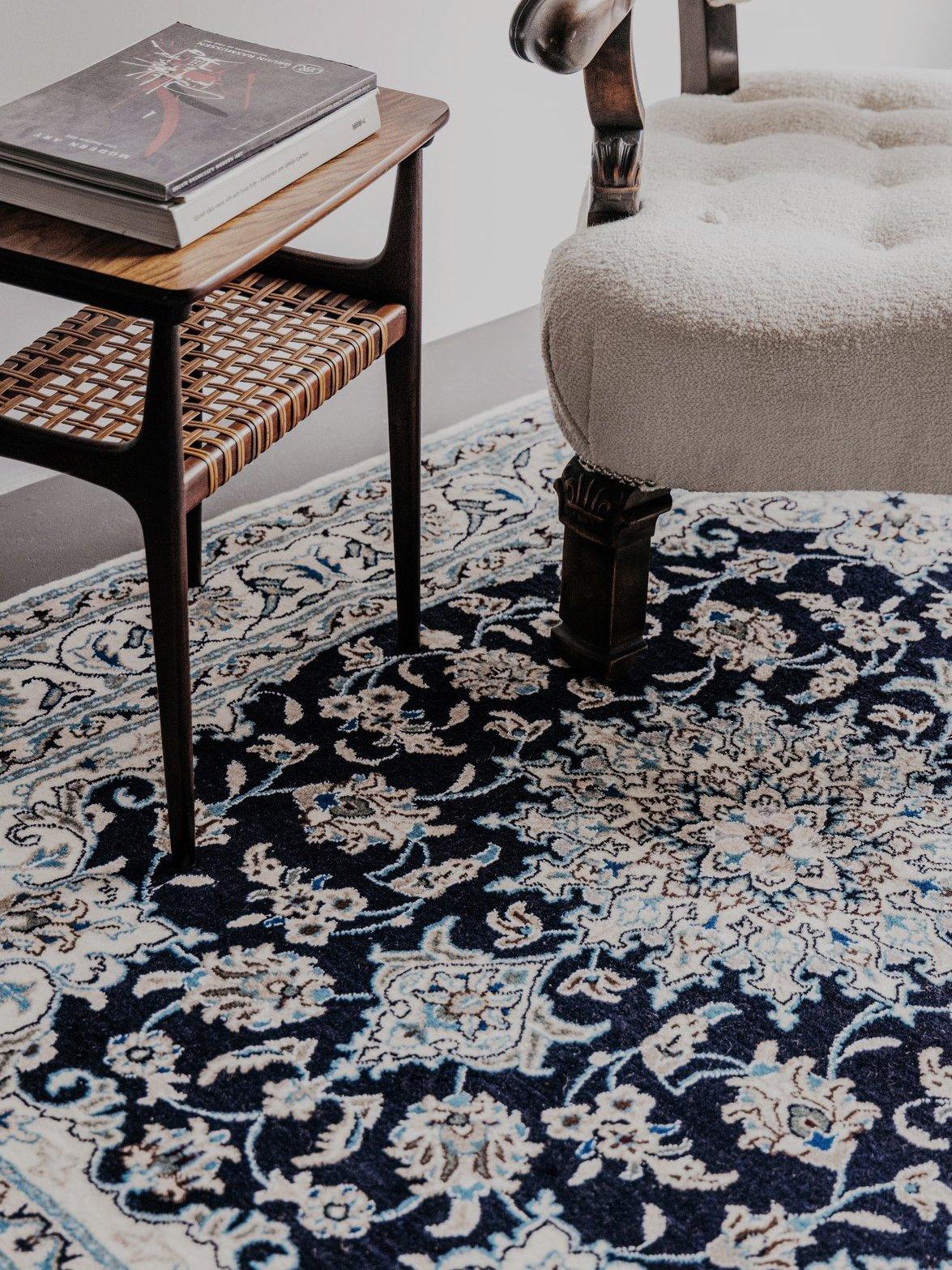
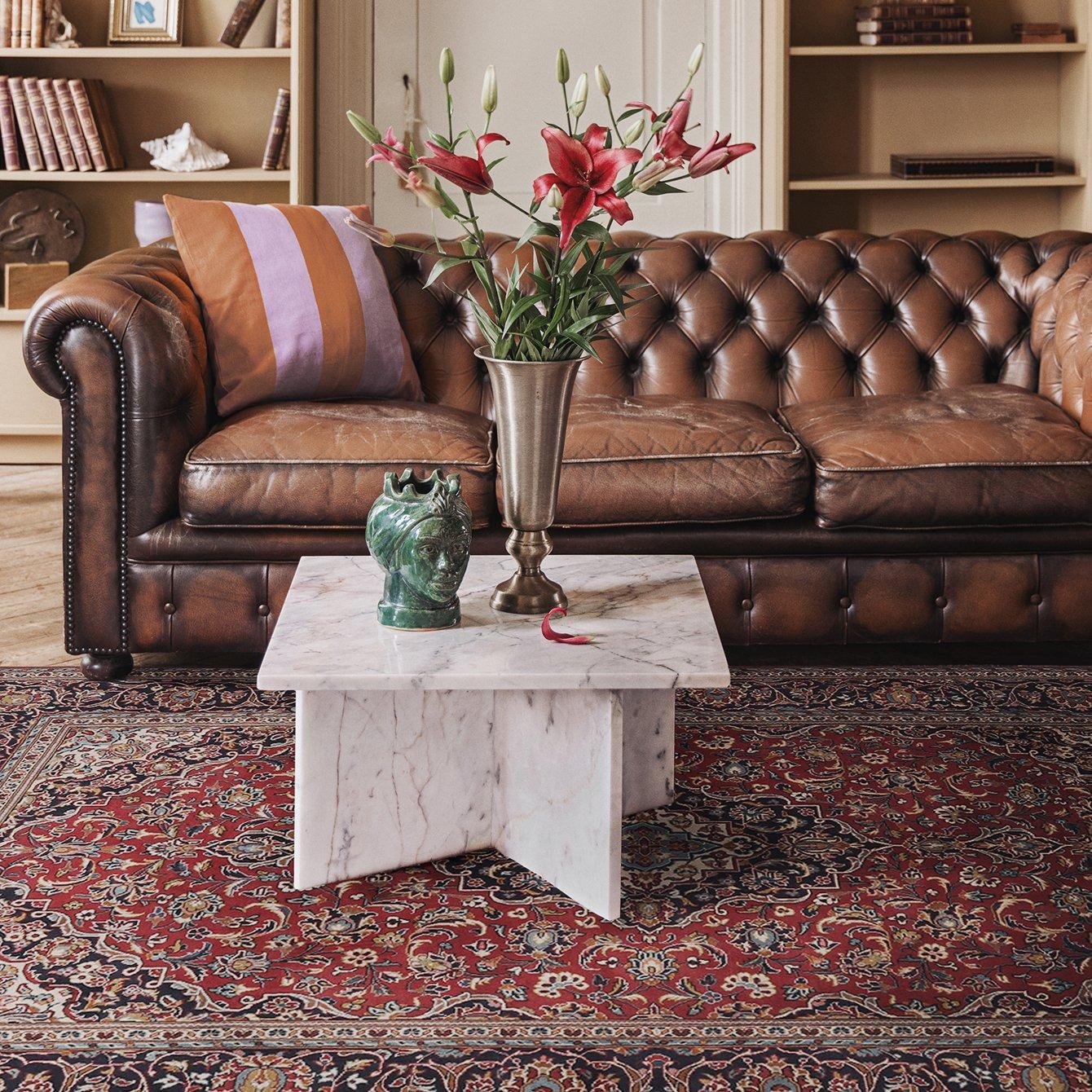
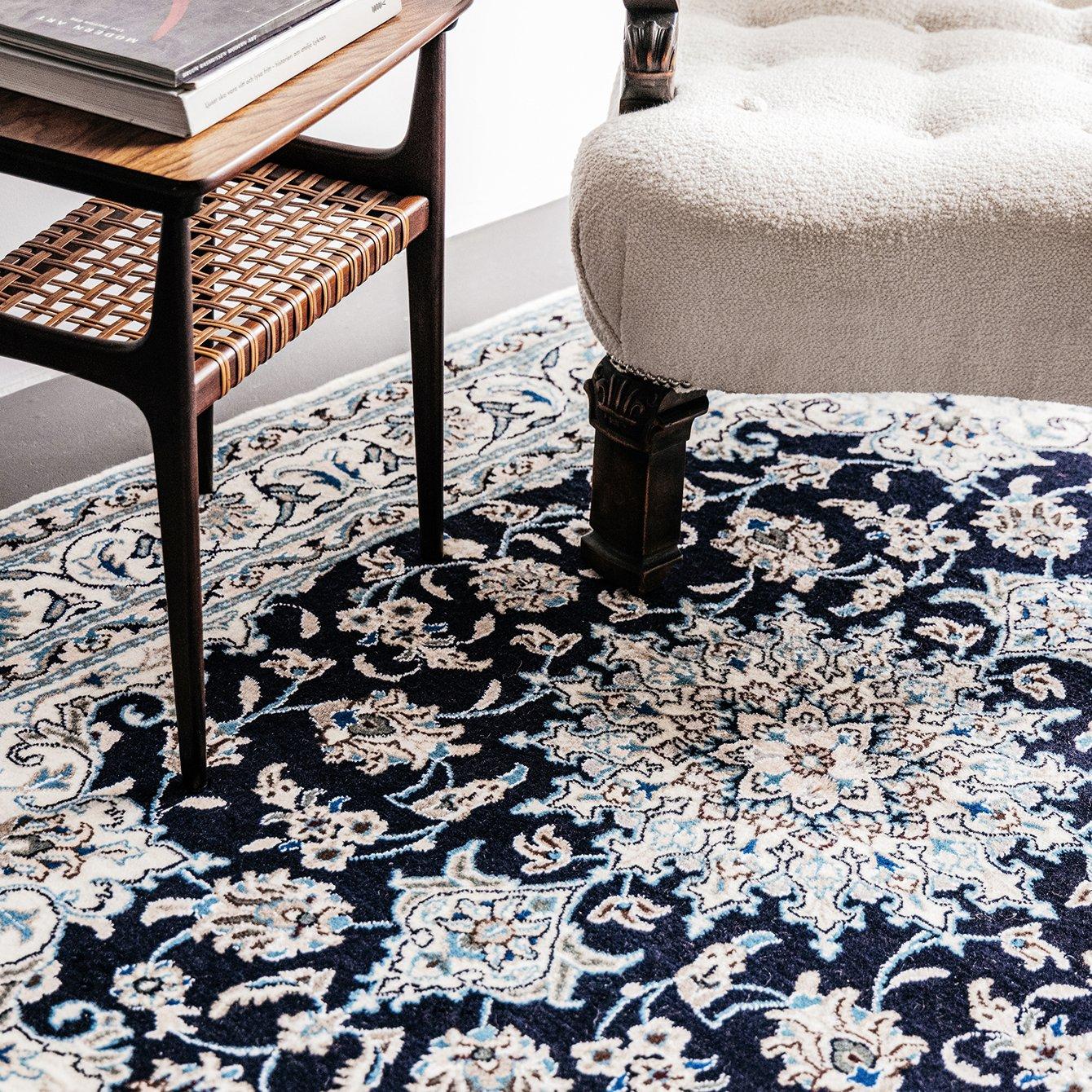
Classic rugs represent the most refined and detailed type of oriental weaving. They’re inspired by traditional city rugs from places like Tabriz, Isfahan, and Moud — but the term “classic” now refers more to style and craftsmanship than geography.
Design and style
Classic rugs are known for:
- Complex, symmetrical patterns such as medallions and floral designs.
- High knot counts that allow for fine detail.
- Luxurious materials like silk or high-quality wool.
The result is a balanced, elegant rug made for beauty and prestige rather than daily use.
A tradition that lasts
Classic rugs continue a long artistic tradition focused on precision and harmony. Even modern versions are based on centuries-old designs and weaving techniques that have stood the test of time.
Why weaving tradition can matter more than origin
1. Origin is geographic. Tradition is cultural and meaningful
“Made in Persia” or “Made in Afghanistan” tells you where it was woven. But it doesn’t tell you how it was made — or why it looks the way it does. For example: A Qashqai rug woven by a nomadic group in Persia and a Tabriz rug from the same country are completely different traditions, despite the same origin.
2. Tradition crosses borders. Origin doesn’t
3. Tradition is what shapes authenticity, design, and value
Collectors, experts, and artisans use tradition (nomadic, village, workshop/classic) to talk about a rug’s knot quality, pattern structure, and symbolism. Knowing the tradition tells you about the intended use, craftsmanship level, and cultural significance — which helps when it comes to understanding why something costs £500 or £5,000.
How to choose the right weaving technique for you
When you choose a rug, think about how it’s woven and where it will be used:
- Nomadic rugs:
- Woven on portable looms with lower to medium knot density.
- Geometric, more “free” designs.
- Good for people who like a relaxed, rustic look.
- Village rugs:
- Woven on upright looms with medium knot density.
- Strong, practical structure.
- Great for everyday use in living rooms or hallways.
- Classic rugs:
- Woven in workshops with high knot density.
- Very detailed, refined patterns, often with finer wool or silk.
- Best for quieter or more formal rooms where you can enjoy the fine weaving.
A true oriental carpet doesn’t just decorate a room. These durable rugs add depth, heritage, and timeless craftsmanship wherever they’re placed.