



Oriental rug symbols
Oriental rug symbols tell stories of history, culture, and craftsmanship. Every oriental rug carries meaning through its motifs, colours, and patterns, reflecting traditions passed down through generations. From protective symbols to representations of nature and life, these designs form a visual language woven into each rug. In this guide, we explore oriental rug symbols, what they mean, where they come from, and how craftsmanship gives every design its soul.
What do symbols on oriental rugs mean?
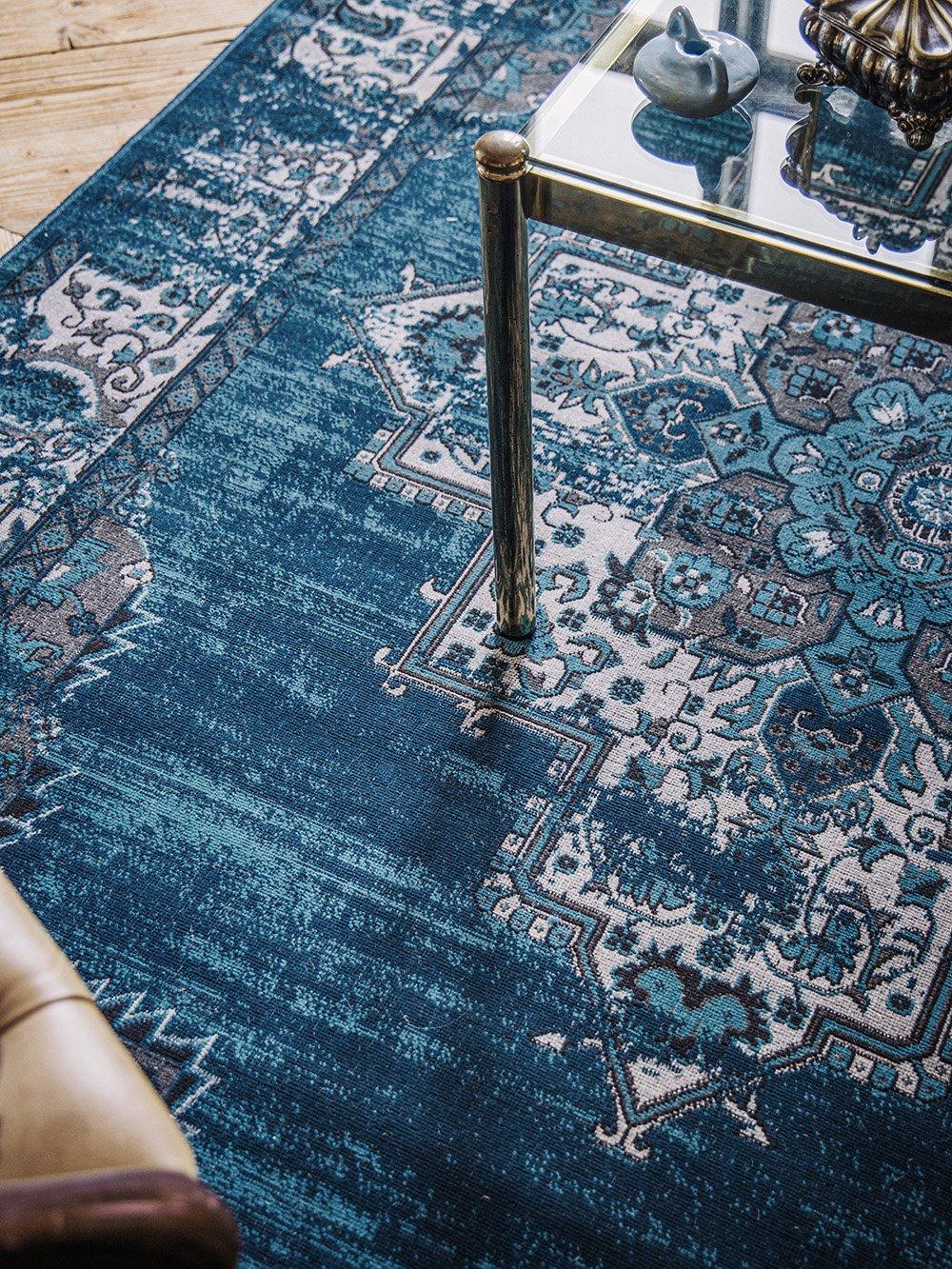
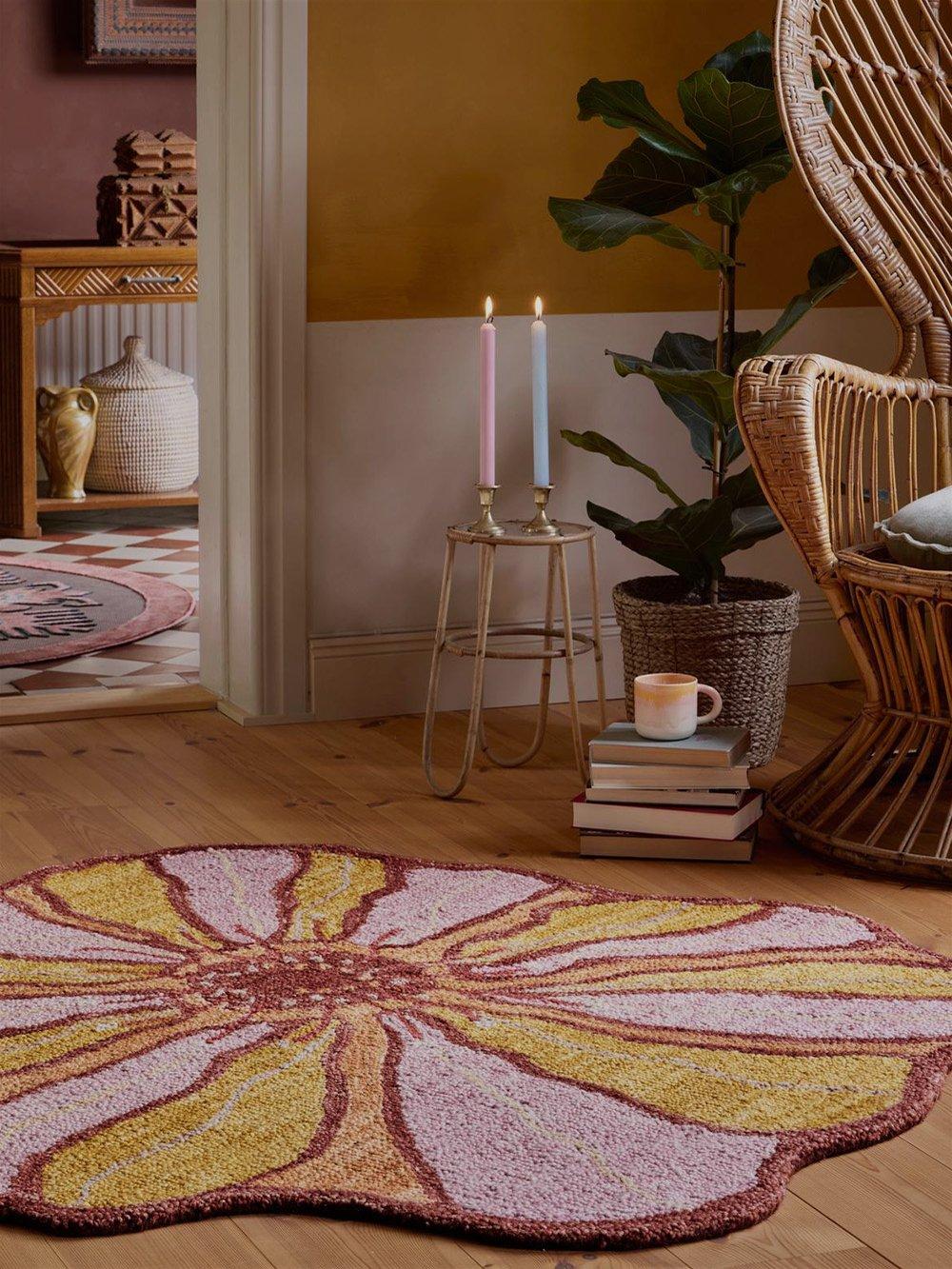
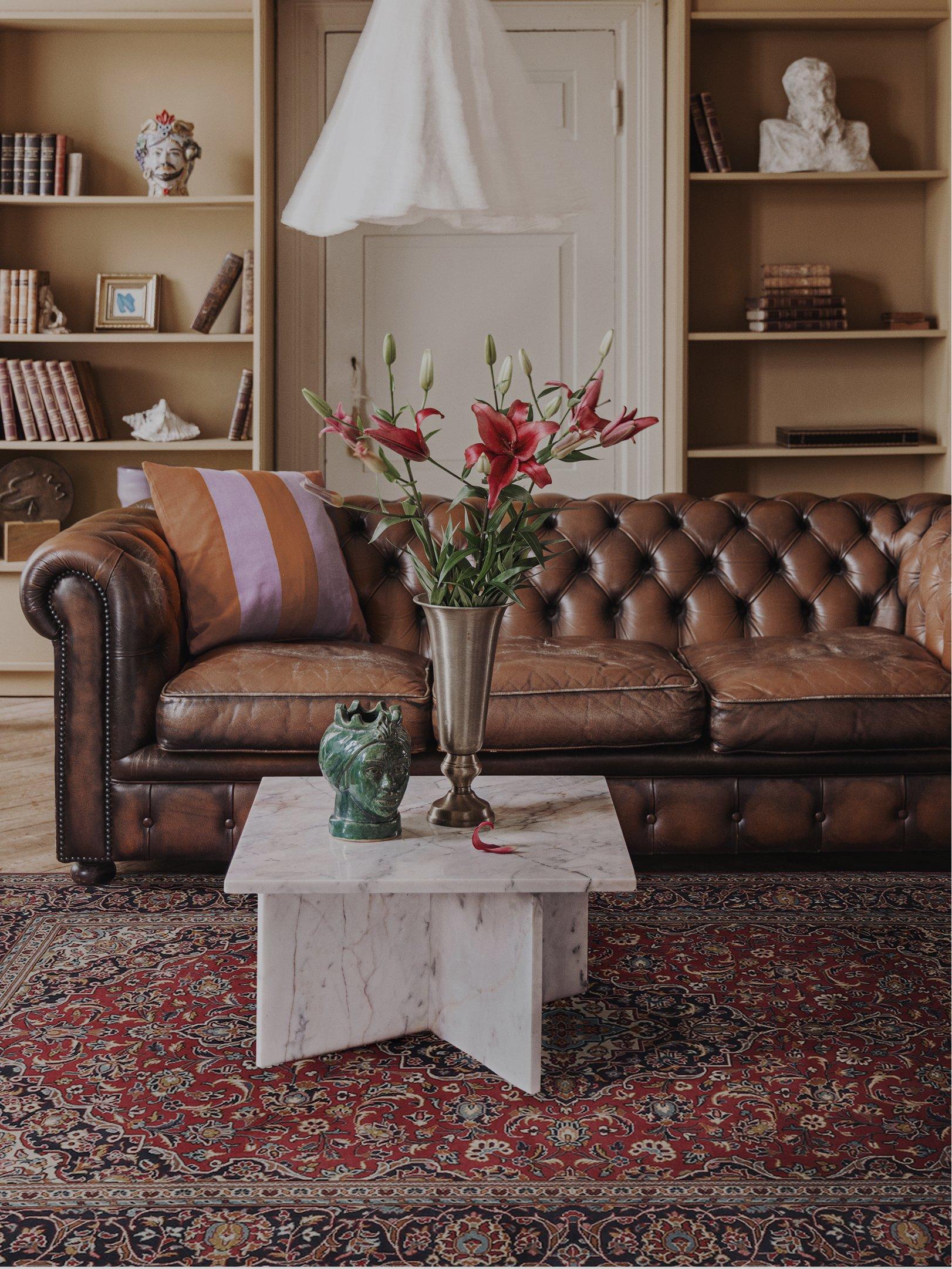
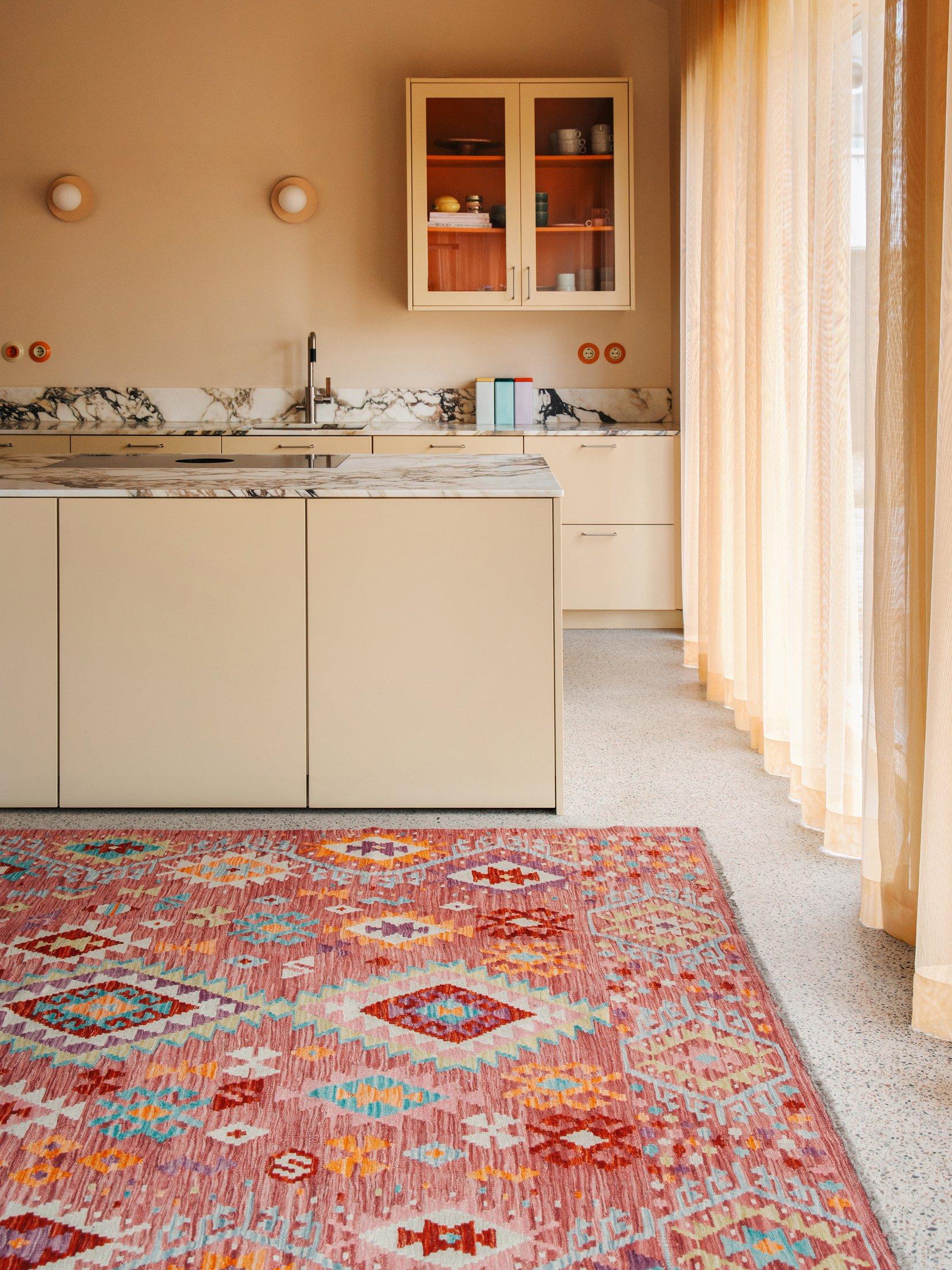
Symbols on oriental rugs represent the beliefs, hopes, and surroundings of the weaver. Motifs such as flowers, trees, stars, or animals often symbolise concepts like fertility, protection, spirituality, or the cycle of life. Together, they create a coded story, a woven expression of culture and identity that has survived for centuries through handmade craftsmanship.
The heritage behind oriental rug patterns
The art of rug weaving spans thousands of years, deeply rooted in Turkish, and Central Asian traditions. These regions perfected techniques that transformed simple textiles into timeless works of art.
When it comes to handcrafted rugs, every pattern and colour choice reflects not only the weaver’s skill but also their beliefs and surroundings. Over time, this visual language evolved into what we now recognise as oriental rug patterns — designs rich in geometry, rhythm, and symbolism.
Artistic signatures by region
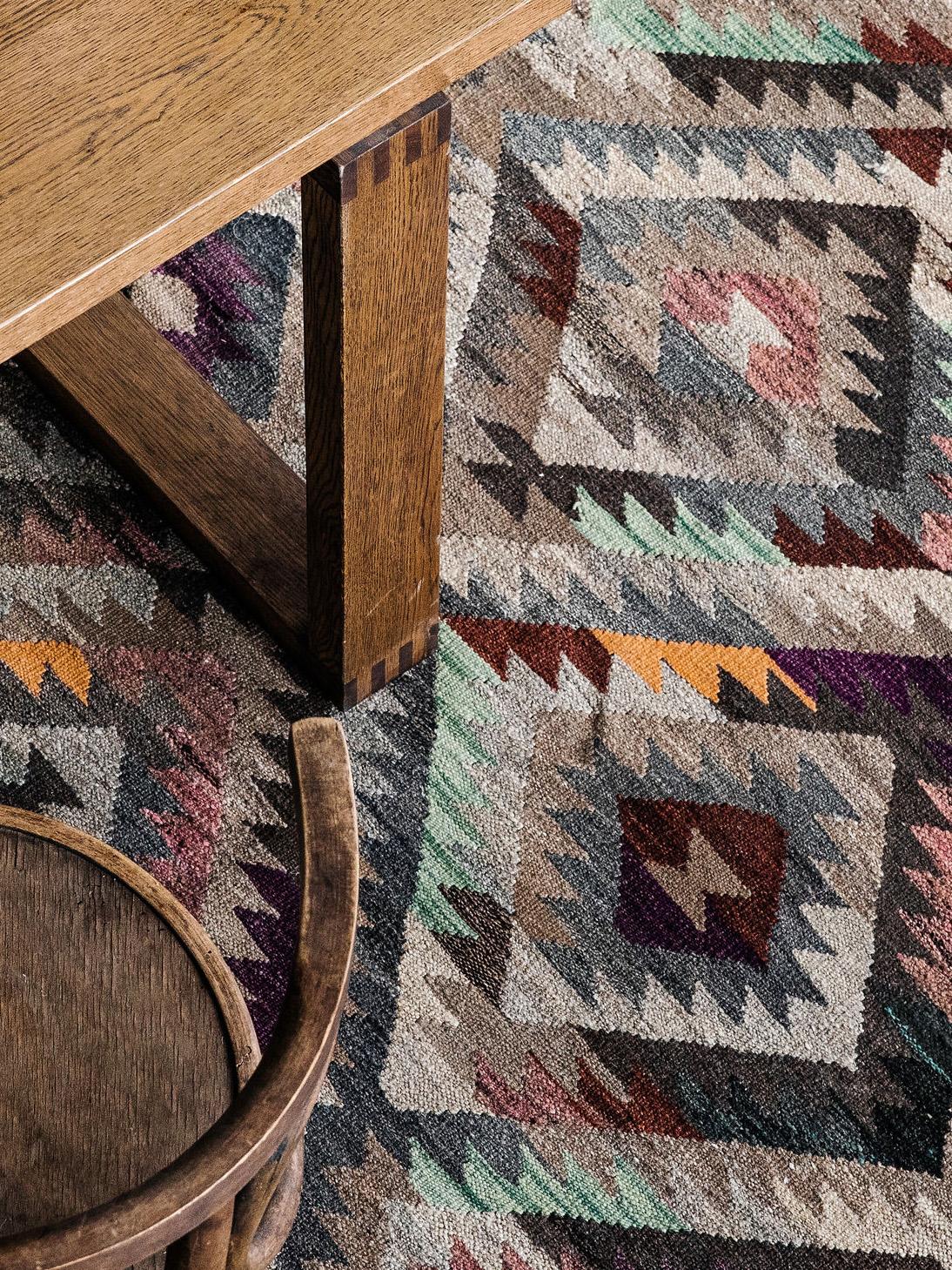
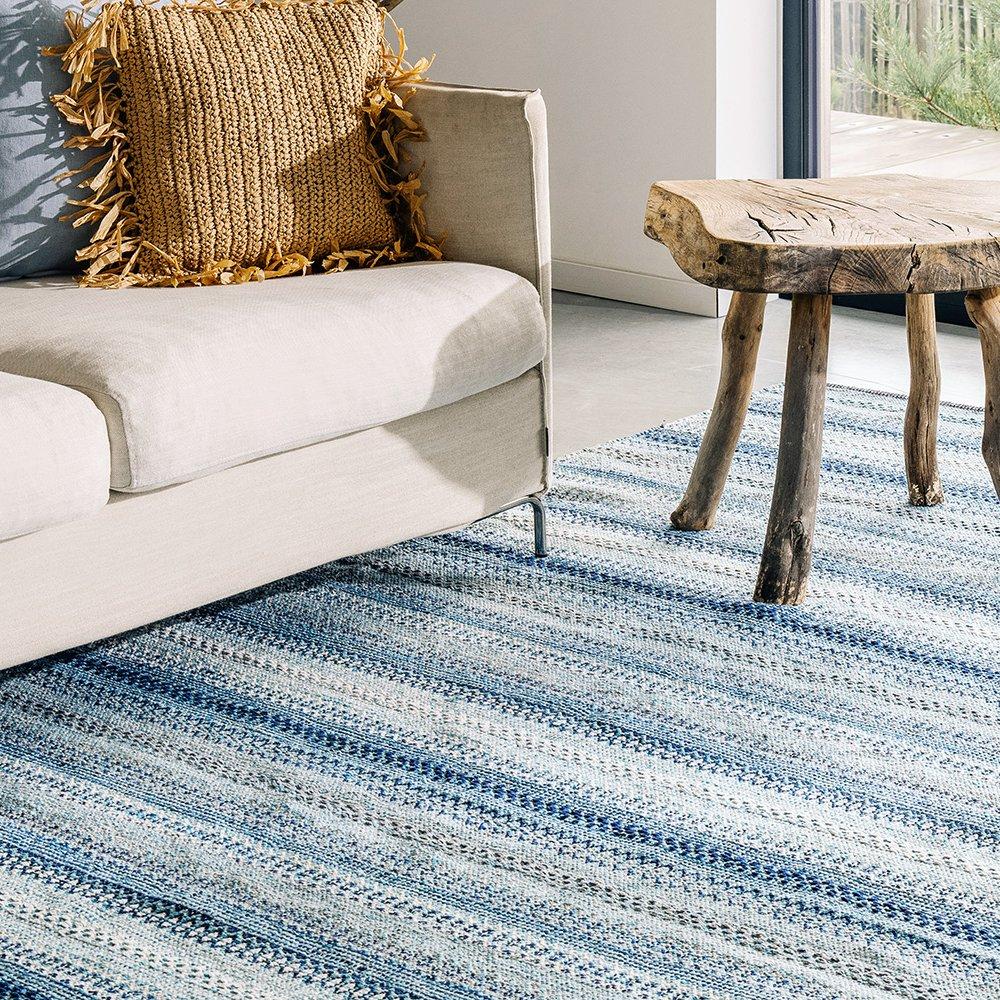
Kilim rugs favour flatwoven textures and geometric simplicity.
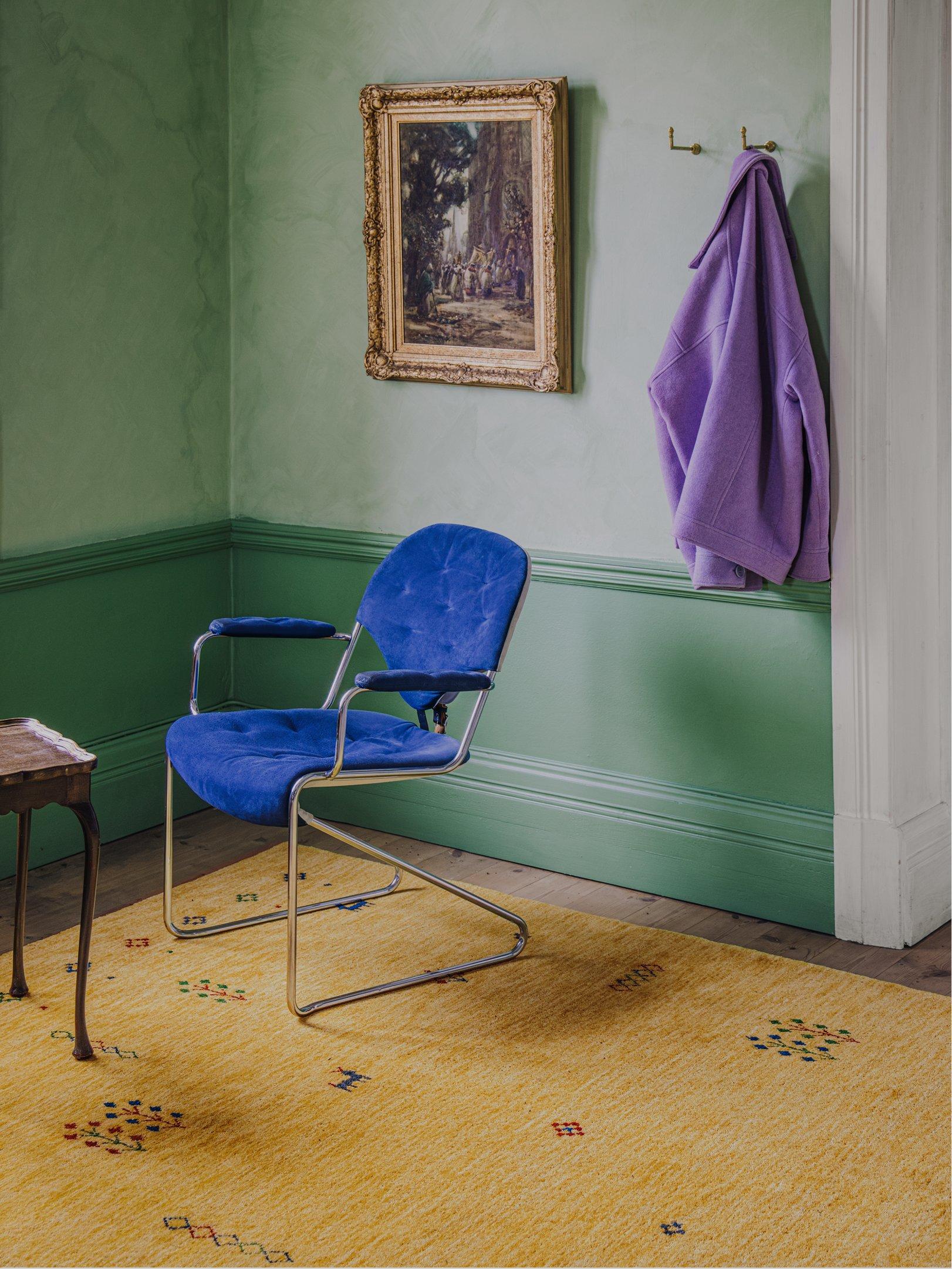
Gabbeh rugs showcase bold colour blocks and playful abstraction.
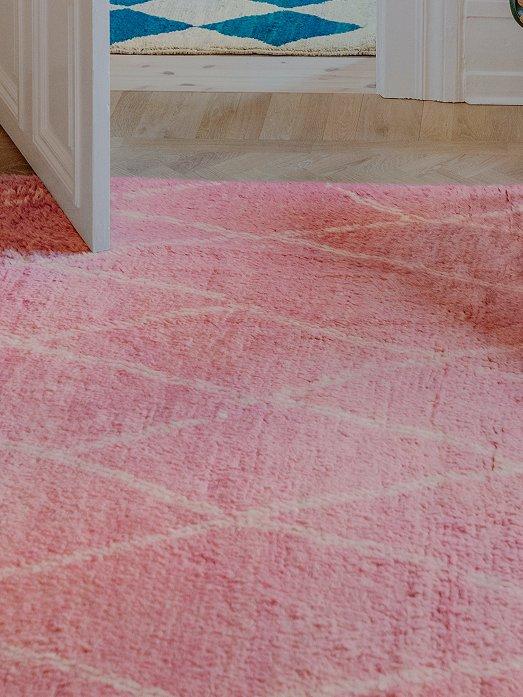
Berber rugs from North Africa express heritage through tribal symbols and tactile texture.
Oriental rug symbol origins and meanings
When we talk about oriental rug symbols, their origins and meanings, we’re looking at a visual language developed to express life, nature, faith, and protection. These motifs are more than decoration — they’re the soul of the rug.
Common oriental rug motifs and what they represent
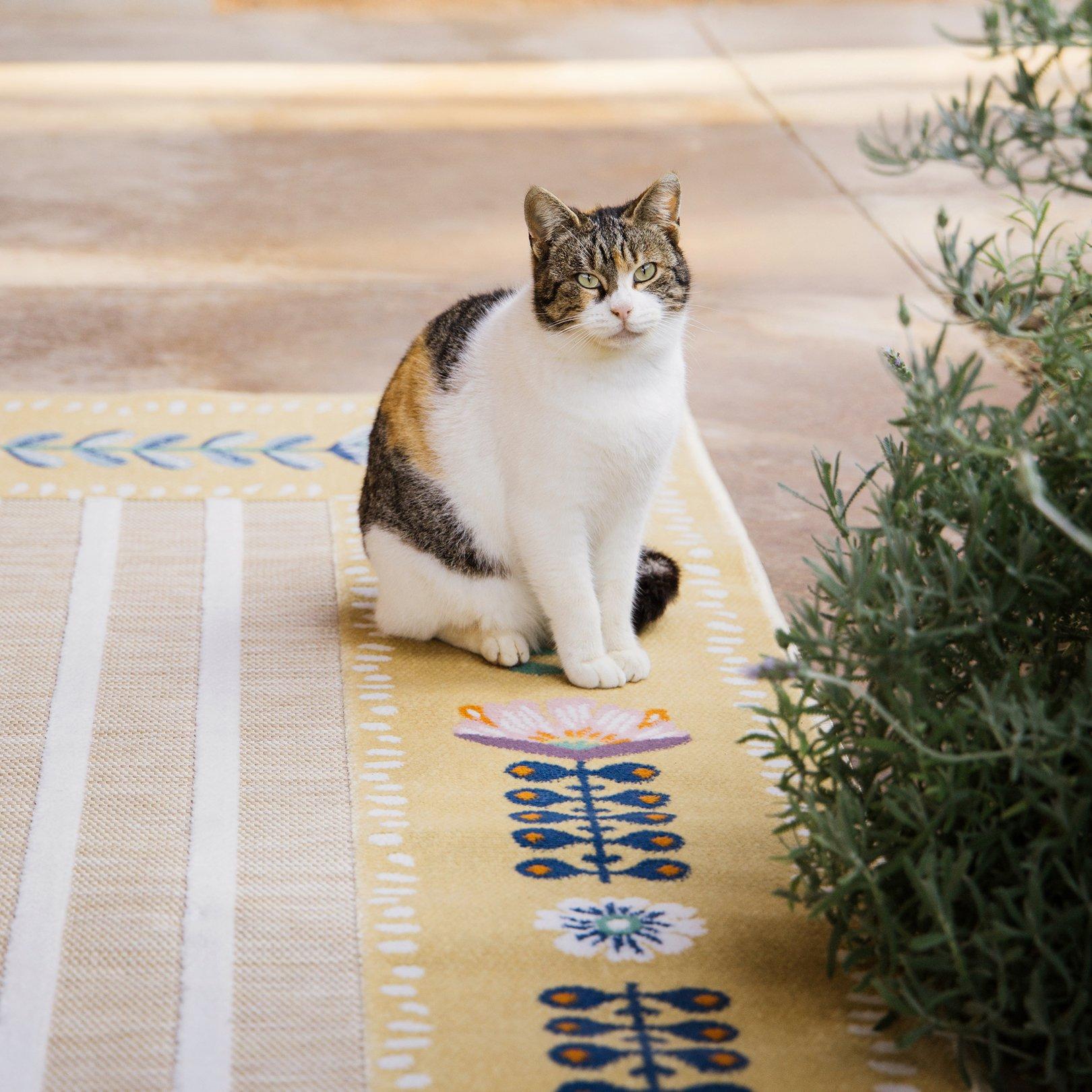
- Tree of Life – A symbol of growth, renewal, and the link between earth and heaven.
- Boteh (Paisley) – A flame-shaped motif symbolising eternal life and good fortune.
- Star or diamond – Associated with guidance, balance, and spirituality.
- Birds and animals – Represent freedom, protection, or fertility.
- Water and waves – Symbolise abundance and movement.
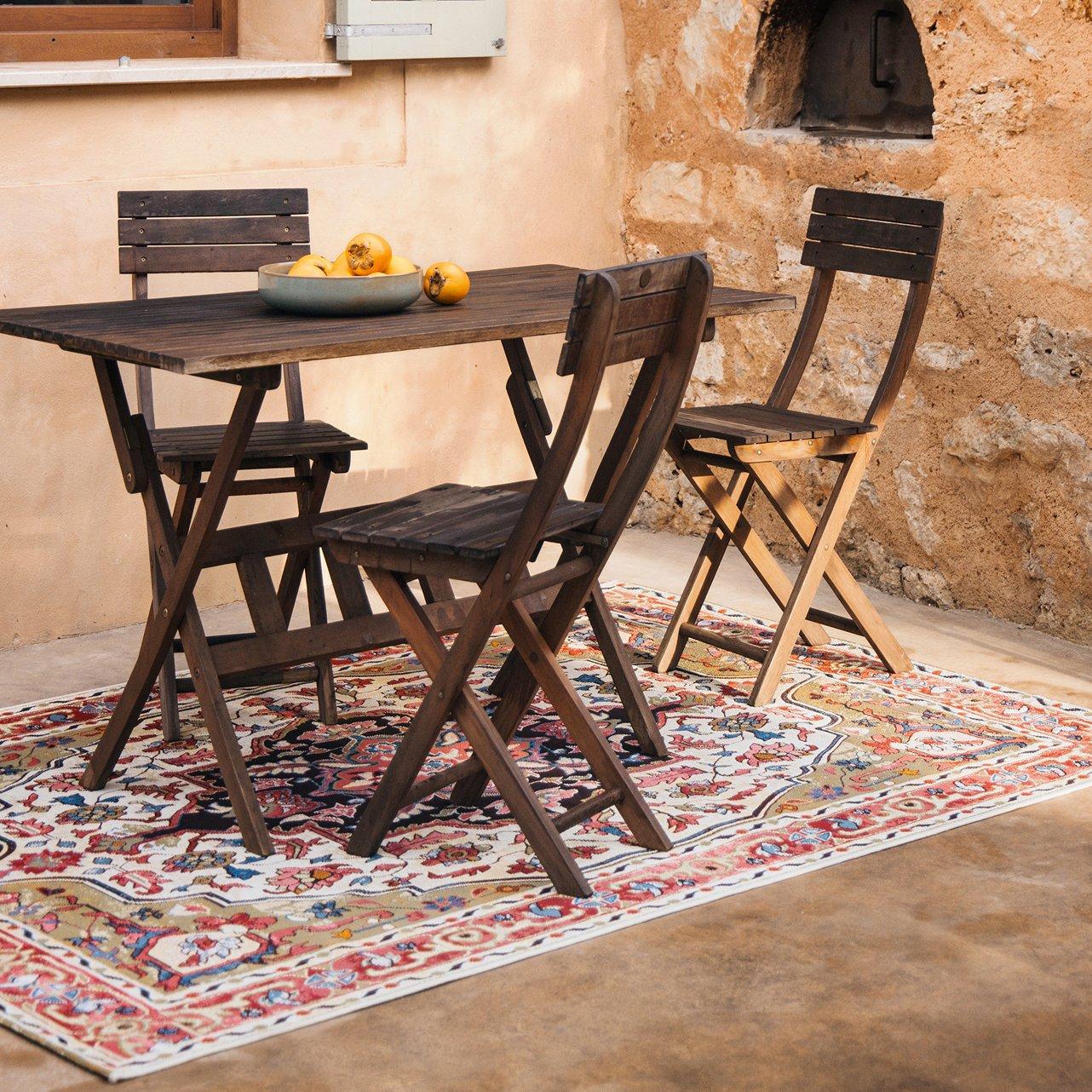
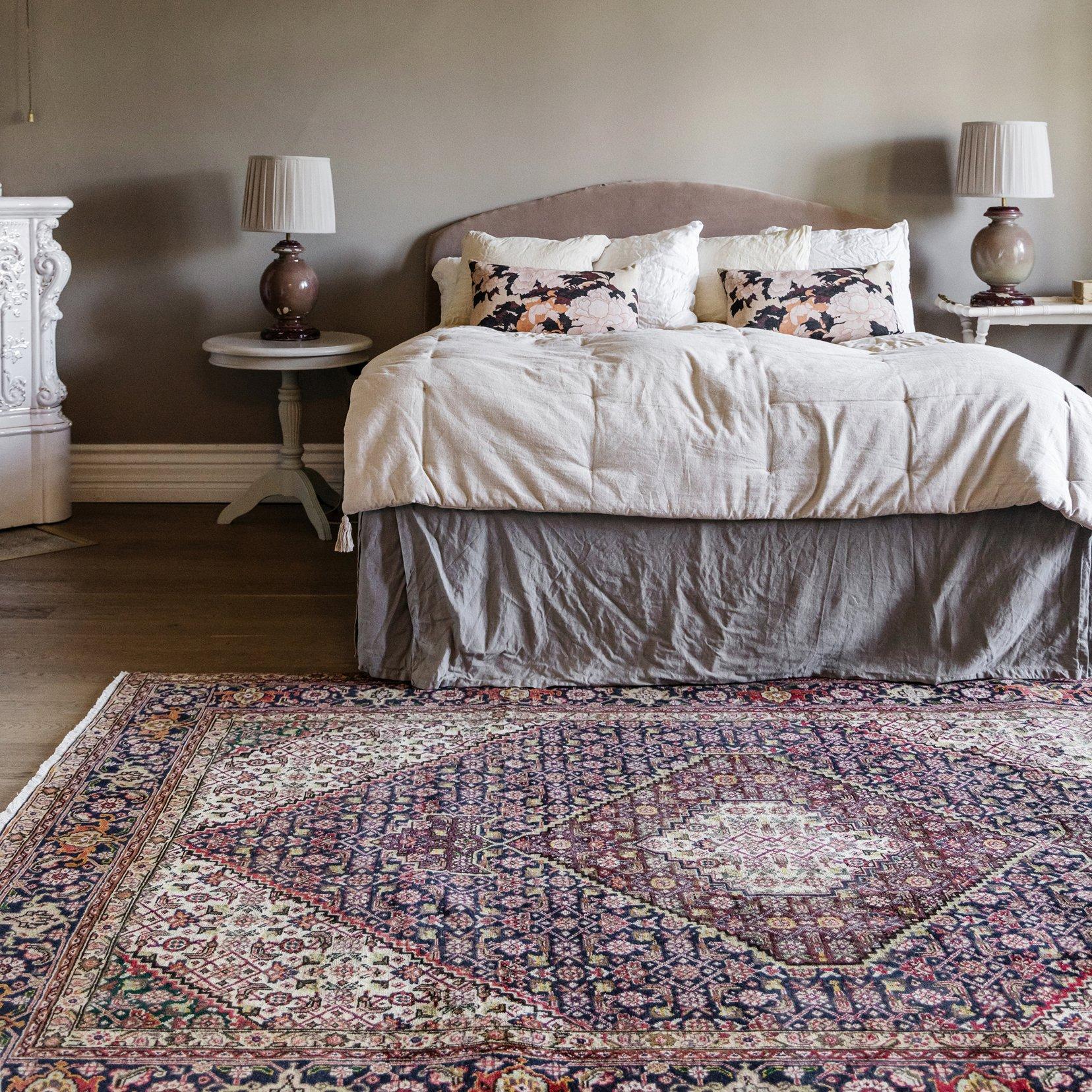
Each motif is carefully woven into the rug’s structure, often passed down through families of artisans who maintain age-old patterns. In medallion rugs: the central motif serves as the rug’s focal point, a symbolic heart around which every detail revolves.
The craftsmanship that keeps the symbols alive
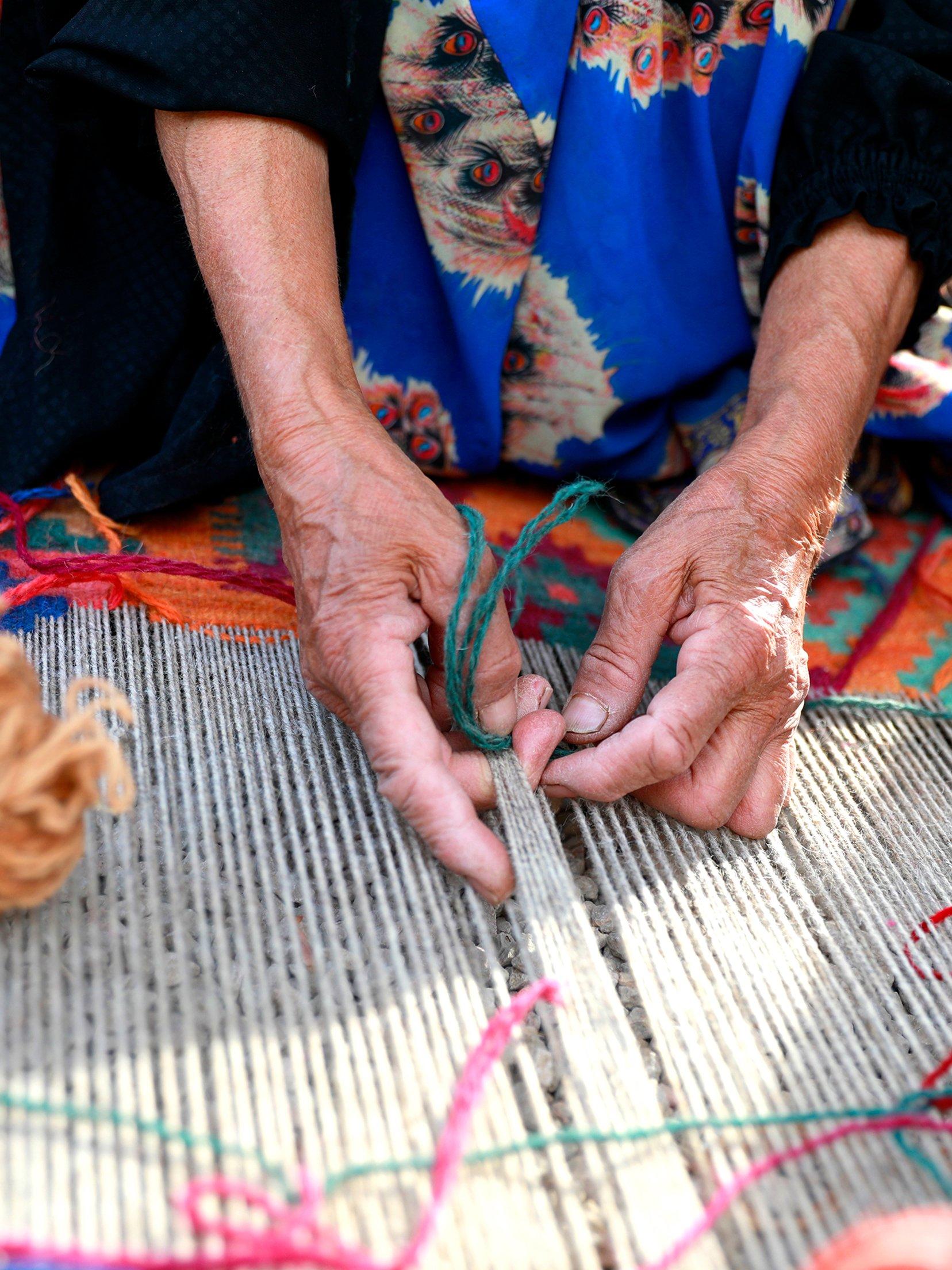
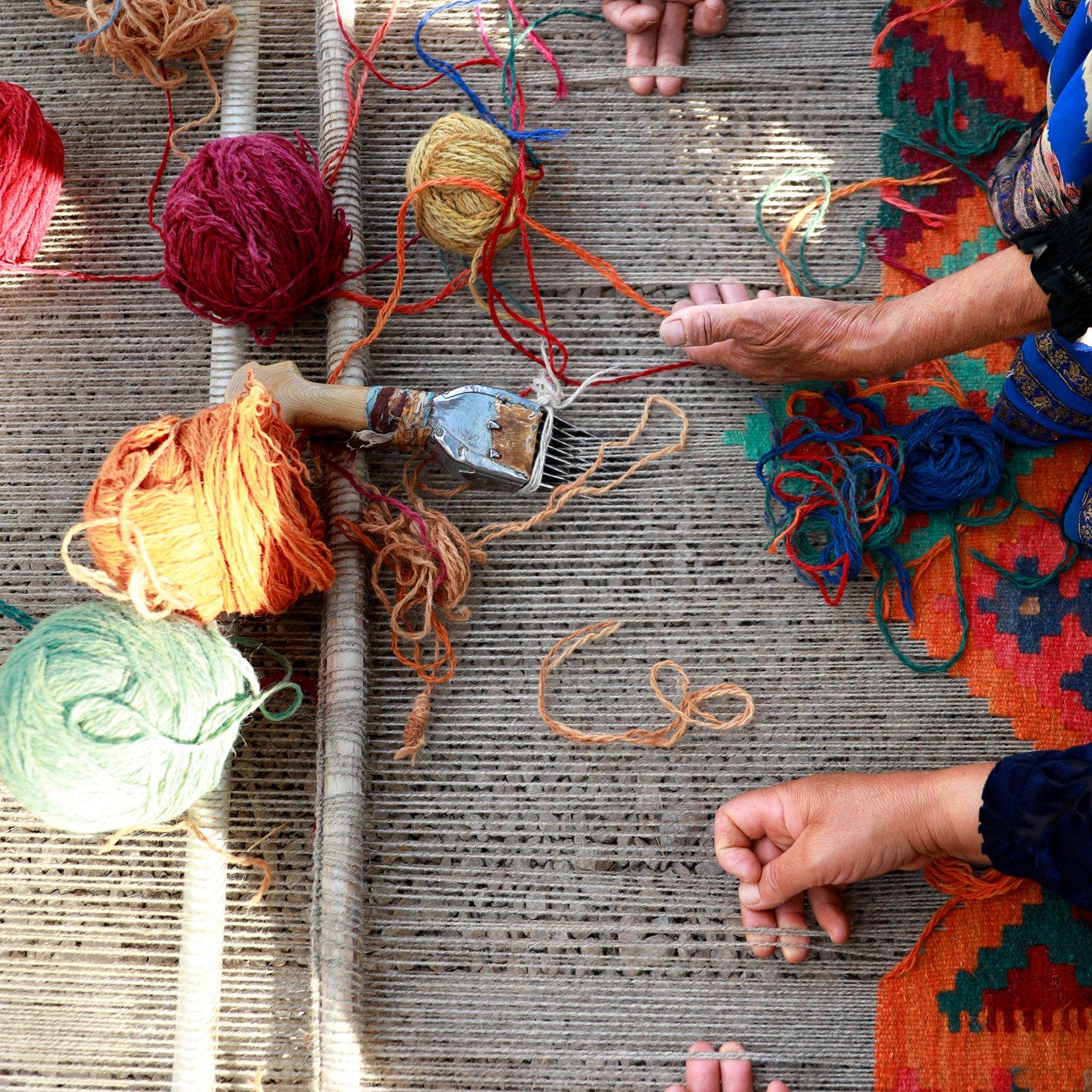
What makes these symbols truly special is how they’re created. Skilled weavers use traditional looms, hand-tying each knot with precision. The process can take months, depending on the design’s complexity.
Natural dyes made from plants and minerals bring life to the motifs, giving each rug its distinct character. Subtle irregularities in shape or pattern are not flaws but signs of authenticity, proof that human hands and heritage shaped every detail.
From meaning to modern living
While today’s homes often feature modern or minimalist styles, traditional rug motifs still hold timeless appeal. They add warmth, colour, and narrative — turning a simple floor covering into a piece of living history.
Rugs with traditional symbols and patterns are increasingly sought-after for the stories they tell: tales of origin, artistry, and connection. If you love the blend of tradition and design, explore our hand-knotted collection for rugs that carry both history and character.